The modern workplace has changed dramatically over the past few years. Many organizations have adopted hybrid work models, allowing employees to divide their time between the office and remote work. This flexibility has transformed how businesses use office space, but it has also introduced new challenges for facility managers.
One often overlooked challenge is Indoor Air Quality (IAQ).
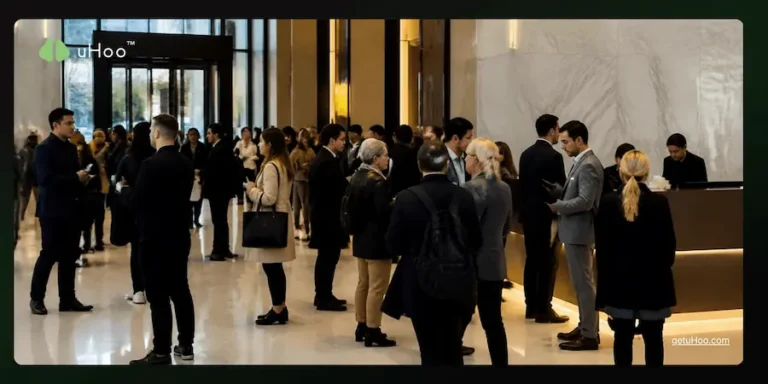
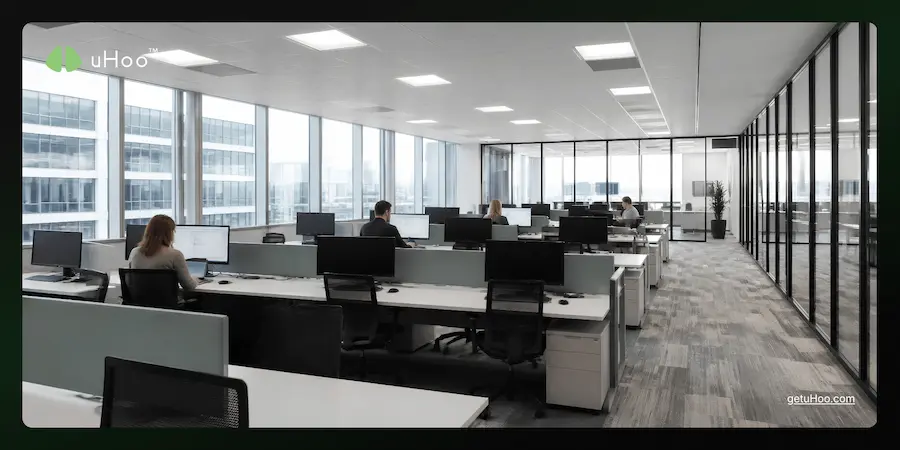
Traditional office buildings were typically designed around predictable occupancy schedules. Employees arrived in the morning, worked throughout the day, and left in the evening. Today, occupancy is far less predictable. Some days an office may be nearly empty, while on others, meeting rooms and collaborative spaces are fully occupied.
These changing occupancy IAQ patterns affect ventilation, HVAC performance, indoor environmental conditions, and overall building management.
Understanding how hybrid work influences indoor air quality allows organizations to create healthier workplaces while improving operational efficiency.
The Rise of Hybrid Work
Hybrid work combines remote and in-office work, giving employees greater flexibility in where they perform their jobs.
Common hybrid models include:
- Employees working from the office several days each week.
- Flexible schedules based on team collaboration.
- Rotating attendance between departments.
- Shared workspaces instead of assigned desks.
While hybrid work offers many operational benefits, it also creates less predictable building occupancy.
Instead of maintaining a steady number of occupants throughout the week, office populations now fluctuate daily and sometimes hourly.
Why Occupancy Matters for Indoor Air Quality
The number of people inside a building has a direct impact on indoor air quality.
As occupancy increases, buildings naturally experience changes in:
- Carbon Dioxide (CO2) levels
- Temperature
- Humidity
- Ventilation demand
- Air circulation
These environmental changes are normal, but they highlight the importance of ensuring building systems respond effectively to varying occupancy levels.
Without visibility into changing conditions, it becomes more difficult for facility managers to optimize building performance.
Hybrid Offices Experience Constant Change
Unlike traditional offices, hybrid workplaces rarely follow the same occupancy pattern every day.
For example:
Monday
A relatively quiet office with many employees working remotely.
Tuesday
Multiple departments schedule in-person collaboration, significantly increasing occupancy.
Wednesday
Large meetings and training sessions fill conference rooms.
Thursday
Occupancy shifts again as teams alternate schedules.
Friday
Many employees work remotely, reducing building usage.
These changing patterns affect indoor environmental conditions throughout the building.
Meeting Rooms Often Experience the Biggest Changes
Hybrid work has increased the importance of collaboration spaces.
Meeting rooms may remain empty for several hours before suddenly accommodating large groups.
During extended meetings:
- CO2 naturally increases.
- Ventilation demand rises.
- Temperature may increase.
- Humidity may fluctuate.
Because these changes happen quickly, conference rooms often experience the greatest variation in indoor environmental conditions.
Monitoring these spaces provides valuable insight into how buildings are actually being used.
Open Office Areas Are Also Different
Open-plan offices have changed as hybrid work has become more common.
Instead of maintaining consistent occupancy throughout the day, workstations may be:
- Fully occupied during collaboration days.
- Mostly empty on remote workdays.
- Used by different employees each week.
These changing occupancy patterns make it more important to understand how indoor environmental conditions evolve over time rather than relying on fixed assumptions.
The Role of CO2 Monitoring
One of the most useful indicators of changing occupancy is Carbon Dioxide (CO2).
As employees occupy a space, CO2 levels naturally increase.
Monitoring CO2 helps facility managers better understand:
- Occupancy trends.
- Ventilation effectiveness.
- Meeting room utilization.
- Workspace demand.
- Building performance.
Rather than estimating how office spaces are being used, organizations can rely on objective environmental data.
Hybrid Work Creates New Facility Management Opportunities
Changing occupancy patterns also create opportunities for smarter building management.
Indoor air quality data helps organizations evaluate:
- Whether ventilation schedules align with occupancy.
- Which areas experience the highest usage.
- How building systems perform during peak occupancy.
- Seasonal environmental trends.
- Long-term workspace utilization.
These insights support more informed operational planning.
Continuous Monitoring Provides Better Visibility
Hybrid offices are dynamic environments.
A one-time building inspection cannot accurately represent indoor environmental conditions across an entire week or month.
Continuous monitoring allows organizations to observe:
- Daily occupancy changes.
- Weekly office utilization.
- Seasonal building performance.
- CO2 trends.
- Temperature and humidity patterns.
- Ventilation performance.
Historical data helps facility managers understand how hybrid work affects building operations over time.
Supporting Smarter Workplace Decisions
As organizations continue refining hybrid work strategies, environmental data becomes increasingly valuable.
Indoor air quality monitoring can support decisions related to:
- Workspace planning.
- Meeting room management.
- HVAC scheduling.
- Building maintenance.
- Occupancy planning.
- Employee workplace experience.
Instead of relying solely on badge access records or booking systems, organizations gain insight into how occupied spaces actually perform.
Industries Embracing Hybrid Work
Hybrid work has expanded beyond corporate offices.
Many sectors now experience changing occupancy patterns.
Corporate Offices
Flexible work schedules create varying daily occupancy across departments.
Technology Companies
Collaboration-focused work results in frequent changes to meeting room usage.
Professional Services
Consulting, legal, and financial firms often combine remote work with client meetings.
Government Offices
Flexible workplace policies create varying occupancy throughout the week.
Higher Education
Administrative buildings and faculty offices experience changing occupancy patterns similar to hybrid workplaces.
Preparing Buildings for the Future of Work
Hybrid work is likely to remain a long-term part of workplace strategy.
As office usage continues to evolve, organizations that understand their indoor environments will be better positioned to optimize building performance.
Monitoring indoor air quality helps businesses:
- Understand occupancy trends.
- Improve ventilation planning.
- Support employee comfort.
- Evaluate building performance.
- Make data-driven facility decisions.
These insights become increasingly valuable as workplaces continue to adapt to changing ways of working.
Build Smarter Hybrid Workplaces
Hybrid work has changed more than office schedules. It has changed how buildings operate.
Understanding how occupancy IAQ patterns affect indoor environmental conditions allows organizations to manage facilities more effectively while supporting healthier and more comfortable workplaces.
Organizations looking to gain continuous visibility into their indoor environments can explore uHoo Aura, an enterprise indoor air quality monitoring solution designed for offices, schools, healthcare facilities, hotels, and other commercial buildings.
To learn more about indoor air quality solutions for businesses, visit uHoo Business.
Frequently Asked Questions
How does hybrid work affect indoor air quality?
Hybrid work creates changing occupancy patterns that influence CO2, temperature, humidity, ventilation demand, and overall indoor environmental conditions throughout the workweek.
Why is occupancy important for indoor air quality?
As more people occupy a space, CO2 levels naturally increase and ventilation requirements change. Monitoring occupancy-related environmental conditions helps organizations better understand building performance.
Why should businesses monitor indoor air quality in hybrid offices?
Continuous monitoring helps facility managers evaluate changing occupancy patterns, optimize ventilation, improve building operations, and support healthier workplaces.
How can organizations better manage hybrid office environments?
Using continuous indoor air quality data alongside occupancy trends helps organizations make informed decisions about workspace planning, ventilation strategies, HVAC operation, and long-term facility management.