
Understanding Indoor Air Pollutants in Winter

Indoor environments behave differently during colder seasons. As homes become more enclosed, certain air quality factors can become more noticeable. Understanding winter indoor air helps homeowners maintain better conditions during these periods. Reduced ventilation increases indoor pollutants During colder months, windows and doors are often kept closed to maintain warmth. This can lead to: Limited […]
How Do Multi-Sensor Indoor Air Quality Monitors Improve Allergies?

Managing allergies at home often focuses on visible triggers like dust or pet dander. However, many of the factors that influence allergies are invisible and constantly changing. This is where multi-sensor indoor air quality monitors play a critical role. Allergy triggers are not always obvious Indoor environments contain multiple elements that can contribute to allergy […]
How Air Quality Affects Energy Levels

Feeling tired at home is often attributed to a lack of sleep or a busy schedule. But in many cases, your indoor environment may be playing a bigger role than you realize. Understanding the connection between IAQ energy levels helps explain how air quality can directly influence how you feel throughout the day. Air quality […]
Why Do Indoor Air Quality Monitors Matter for Home Health?

Indoor air quality monitors matter because they provide visibility into one of the most overlooked factors affecting daily health, the air you breathe inside your home. While outdoor pollution often gets more attention, most people spend the majority of their time indoors. This makes indoor air quality a critical component of overall well-being, even in […]
How Indoor Plants Affect Air Quality
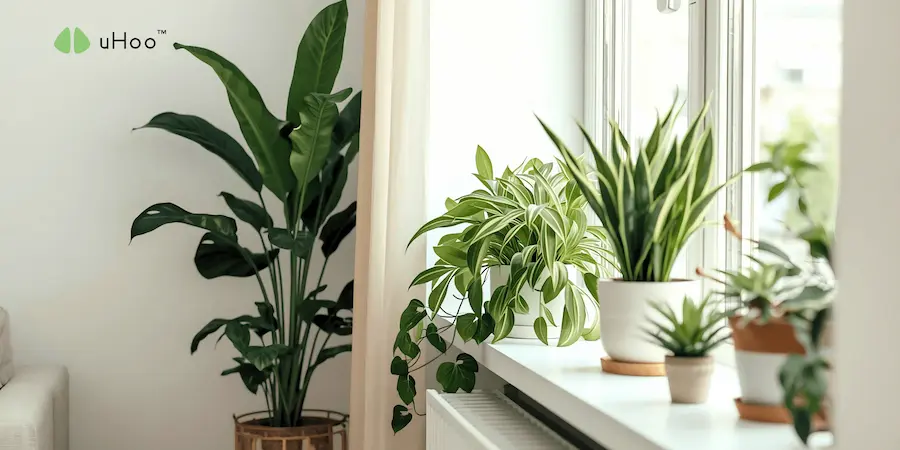
Indoor plants are often associated with cleaner air and improved comfort. While they offer several benefits, their impact on air quality is more nuanced than commonly assumed. Understanding indoor plants’ air effects helps set realistic expectations. Plants can improve comfort Indoor plants contribute to: A more relaxing environment Improved visual comfort A sense of well-being […]
Why Kitchens Are Hotspots for VOCs
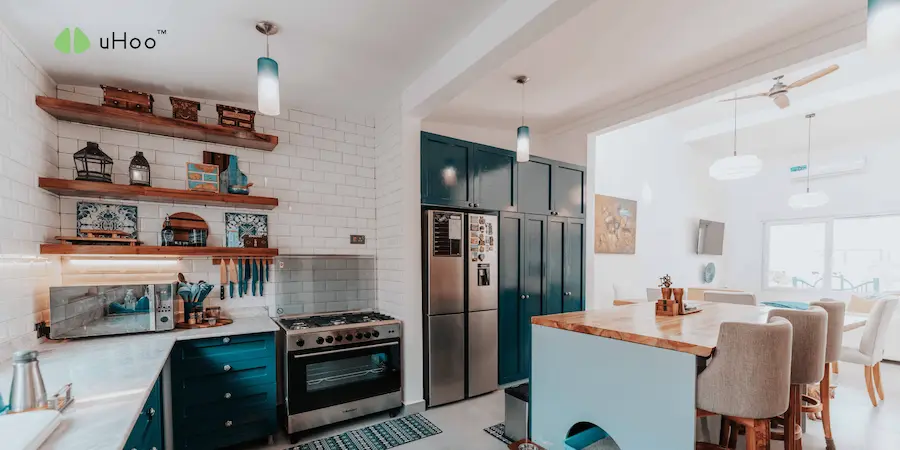
Kitchens are one of the most active areas in any home and one of the most dynamic when it comes to indoor air quality. Understanding VOC kitchen patterns helps explain why air conditions can change quickly during cooking and cleaning. Cooking releases airborne pollutants Cooking processes can generate: Smoke and fine particles Gases from heating […]
Why Air Fresheners Don’t Fix Air Quality

Many homes use air fresheners to make indoor spaces smell cleaner. Sprays, scented plugs, candles, and diffusers are popular solutions when a room feels stuffy or develops unpleasant odors. While these products can change how a room smells, they do not actually improve indoor air quality. In many cases, they simply cover up the underlying […]
HVAC Optimization Using Air Quality Metrics

Optimizing HVAC systems is essential for balancing energy efficiency, comfort, and building performance. However, without real-time environmental insight, optimization efforts may fall short. Using HVAC optimization IAQ strategies allows organizations to align system performance with actual indoor conditions. Why metrics matter in HVAC optimization Traditional HVAC adjustments are often based on fixed assumptions rather than […]
How Indoor Air Quality Changes Overnight

Many people assume that indoor air stays stable while they sleep. Windows are closed, lights are off, and activity in the home slows down. But in reality, indoor air quality can change significantly overnight, especially in bedrooms. Because people spend 6 to 8 hours sleeping in the same room, overnight conditions can quietly influence comfort, […]
How Mold-Resistant Paint and Drywall Protect Your Lungs

When we consider the major components of a home, the walls and ceilings might seem inert, but they are, in fact, the largest surface areas where mold can thrive. The combination of mold-resistant paint and drywall forms an indispensable shield that directly protects your lungs by eliminating the primary food source and habitat for fungal […]