
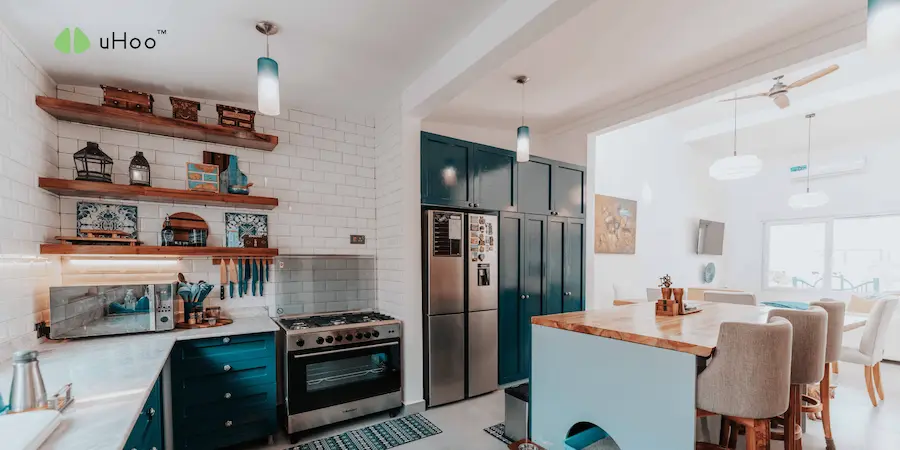
Kitchens are one of the most active areas in any home and one of the most dynamic when it comes to indoor air quality.
Understanding VOC kitchen patterns helps explain why air conditions can change quickly during cooking and cleaning.
Cooking releases airborne pollutants
Cooking processes can generate:
- Smoke and fine particles
- Gases from heating oils and food
- Combustion byproducts from stoves
These emissions can affect indoor air, especially in enclosed spaces.
Heat increases VOC release
High temperatures can accelerate the release of VOCs from:
- Cooking oils
- Non-stick cookware
- Kitchen surfaces and materials
This can lead to temporary increases in indoor pollutant levels.
Cleaning adds to the effect
After cooking, cleaning products may introduce additional VOCs into the air.
Combined with cooking emissions, this can create noticeable changes in indoor air quality.
Why ventilation is important
Proper airflow helps reduce pollutant buildup in kitchens.
Without ventilation, VOCs and particles may linger, affecting nearby areas of the home.
Monitoring tools like uHoo Caeli help track how cooking and cleaning influence air conditions, providing better visibility into VOC exposure in the kitchen.