
How uHoo Enables Preventive Facility Management

Reactive facility management is expensive. Waiting for complaints, equipment failures, or visible environmental problems means risks have already escalated. Modern buildings require a shift toward preventive IAQ management, where issues are detected and resolved before they affect occupants or operations. Continuous environmental intelligence is transforming how organizations manage indoor spaces. With uHoo Aura, facility teams […]
IAQ Metrics Every Facility Team Should Monitor

Indoor air quality is becoming a core component of modern facility management. As buildings become more complex and occupant expectations increase, tracking environmental conditions is no longer optional. Understanding key IAQ metrics helps facility teams maintain healthier spaces, improve operational efficiency, and support long-term building performance. Instead of reacting to complaints, organizations can use measurable […]
Using Environmental Data to Improve Building Performance

Modern buildings are no longer managed solely through physical inspections and maintenance schedules. Today, building performance data is becoming a critical resource for facility teams who want to operate properties more efficiently, sustainably, and safely. Environmental monitoring provides insight into how indoor spaces actually behave throughout the day, allowing organizations to move from reactive maintenance […]
One-Time IAQ Testing vs Continuous Monitoring

Indoor air quality management is evolving as organizations recognize that environmental conditions inside buildings are dynamic rather than static. Many facilities still rely on spot testing or one-time inspections to evaluate air quality. While these methods provide useful information, they cannot fully capture how air behaves throughout the day. This is where continuous air monitoring […]
How the Pollen Index Helps Buildings Manage Indoor Allergen Exposure

Many people associate pollen exposure with outdoor environments. However, pollen particles frequently enter indoor spaces through open doors, ventilation systems, clothing, and building occupants. Once inside, these allergens can circulate through indoor air systems and affect occupants with allergies or respiratory sensitivities. For workplaces and commercial buildings, pollen exposure can influence occupant comfort, productivity, and […]
Using the Influenza Index to Monitor Indoor Conditions During Flu Season
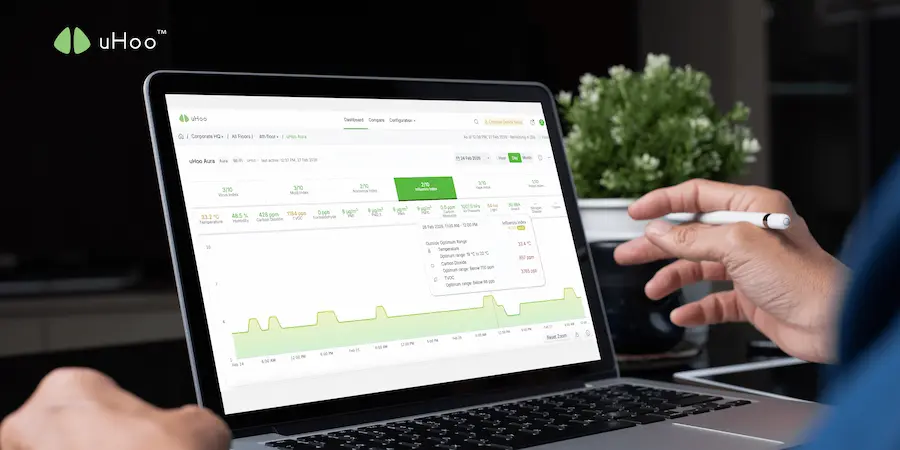
Seasonal influenza continues to affect workplaces around the world every year. During peak flu season, businesses often experience increased absenteeism and productivity disruptions. While influenza spreads primarily through respiratory droplets, indoor environmental conditions can influence how long virus particles remain viable in the air or on surfaces. For organizations looking to support healthier workplaces, understanding […]
How the Mold Index Helps Buildings Prevent Indoor Mold Growth
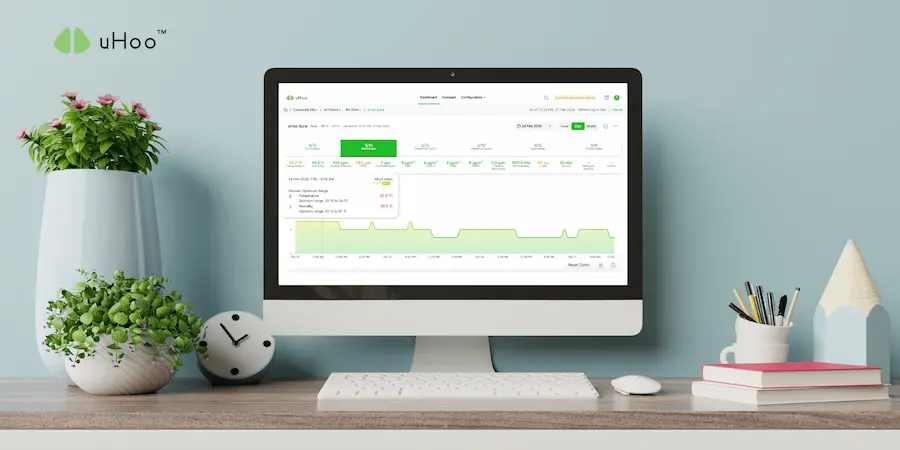
Mold is one of the most common indoor environmental issues affecting buildings around the world. It thrives in damp environments and can develop quickly when humidity and moisture conditions remain uncontrolled. In commercial buildings, mold can cause several problems, including: Damage to building materials Expensive remediation costs Occupant health complaints Tenant dissatisfaction Regulatory and liability […]
Using Air Quality Data to Optimize HVAC Efficiency
HVAC systems are among the largest energy consumers in commercial buildings. Optimizing their performance is essential for reducing costs and improving sustainability. By leveraging IAQ HVAC optimization, organizations can use real environmental data to improve system efficiency without compromising indoor comfort. Traditional HVAC operation lacks precision Many HVAC systems operate based on fixed schedules or […]
Why Poor Air Quality Reduces Cognitive Performance

Modern workplaces depend on concentration, collaboration, and quick decision-making. While organizations often focus on technology, training, and workflow improvements, one important factor that can influence employee performance is often overlooked: indoor air quality. Environmental conditions such as CO2 levels, ventilation efficiency, and indoor pollutants can influence how well people think, focus, and process information. Understanding […]
Why Office Air Quality Complaints Spike Midday

Many facility teams notice a recurring pattern: office air complaints tend to increase around midday rather than at the start of the workday. This timing is not random. Indoor air quality in workplaces changes as occupancy grows, ventilation systems cycle, and daily activities accumulate environmental load. Understanding why complaints spike during certain hours helps organizations […]