
Many people associate pollen exposure with outdoor environments. However, pollen particles frequently enter indoor spaces through open doors, ventilation systems, clothing, and building occupants.
Once inside, these allergens can circulate through indoor air systems and affect occupants with allergies or respiratory sensitivities.
For workplaces and commercial buildings, pollen exposure can influence occupant comfort, productivity, and overall building experience.
This makes allergen monitoring an increasingly relevant part of indoor environmental management.
Understanding the uHoo Pollen Index
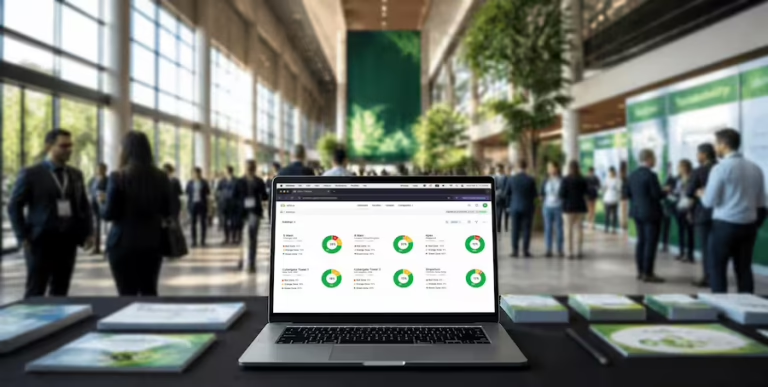
The Pollen Index available on the uHoo dashboard provides insight into when allergen exposure may influence indoor environments.
By combining environmental monitoring with contextual analysis, uHoo helps facility teams understand how outdoor pollen conditions may impact indoor spaces.
This allows organizations to respond more effectively during peak allergy seasons.
Managing Indoor Allergen Exposure
When pollen levels increase, building operators can take steps to reduce indoor exposure.
These may include:
- Improving filtration systems
- Adjusting ventilation timing
- Monitoring entry points where outdoor air enters
- Communicating environmental conditions to occupants
For buildings that prioritize occupant wellness, these measures can significantly improve indoor comfort.
Supporting Health and Productivity
Indoor environmental quality is closely linked to occupant well-being and productivity.
By monitoring environmental indicators such as pollen exposure, organizations can create indoor environments that support the comfort and health of building occupants.
The uHoo Pollen Index helps provide this additional layer of environmental awareness.