
Why Indoor Air Quality Is a Business Issue

For many organizations, business success depends on people. Whether it’s employees collaborating in an office, customers shopping in a retail store, patients visiting a healthcare facility, or students learning in a classroom, the quality of the indoor environment can influence everyday experiences. One factor that often goes unnoticed is indoor air quality (IAQ). While businesses […]
Reducing Energy Costs With Smart IAQ
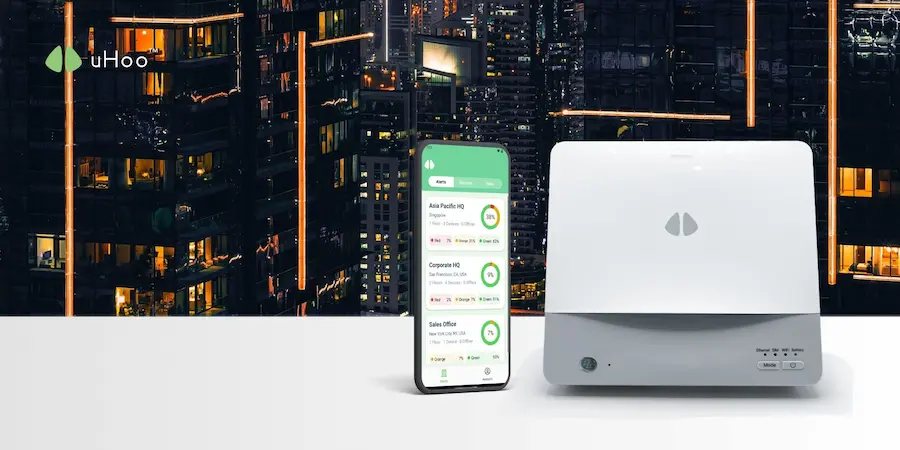
Energy efficiency is a top priority for modern buildings, yet many systems still operate based on fixed assumptions rather than real-time conditions. By leveraging energy savings IAQ strategies, organizations can align air quality management with energy optimization. Traditional HVAC systems waste energy Many HVAC systems run on preset schedules or static configurations. This often results […]
Monitoring Indoor Air During Seasonal Changes

Indoor environments are not static. They evolve throughout the year as outdoor conditions, occupancy patterns, and building operations shift. Understanding seasonal IAQ monitoring is essential for maintaining consistent indoor air quality despite these changes. Seasonal shifts impact indoor conditions Weather changes directly affect indoor environments. For example: Warmer seasons may increase humidity levels Cooler months […]
Using Air Quality Data to Support ESG Goals

As ESG frameworks continue to shape how organizations measure success, the scope of reporting is expanding beyond traditional metrics like energy use and emissions. Today, indoor environmental quality is becoming a critical part of sustainability strategies. Integrating IAQ ESG reporting allows organizations to align operational performance with both environmental responsibility and occupant well-being. IAQ connects […]
Using uHoo to Monitor Air Across Multiple Locations
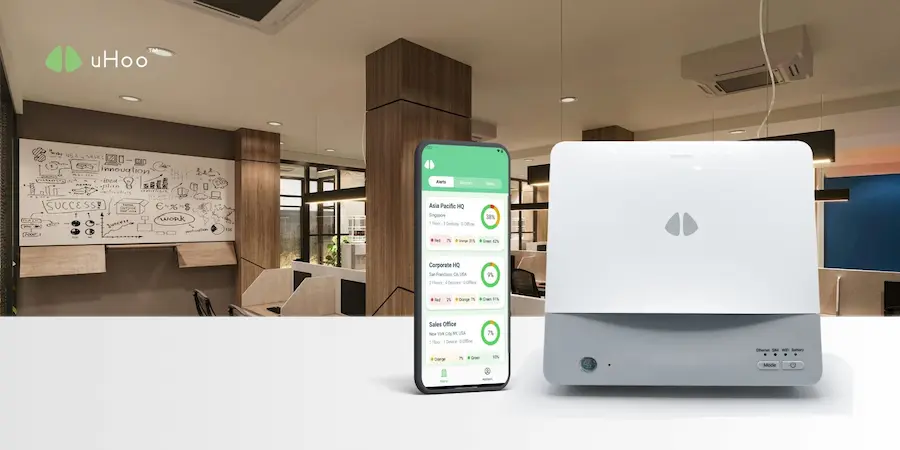
Managing indoor air quality across multiple sites is complex. Different buildings, different occupancy patterns, and different environmental conditions all contribute to inconsistent performance. This is where multi-site air monitoring with uHoo Aura transforms how organizations manage building health. Visibility across locations is critical Without centralized monitoring, organizations struggle to: Compare air quality across sites • […]
A Century-Old Shophouse Just Earned One of the World’s Highest Wellness Honors

What it actually takes to get, and keep, a building certified WELL Platinum Temasek Shophouse has just achieved WELL Platinum Certification from the International WELL Building Institute (IWBI). It’s a milestone worth pausing on. A conservation shophouse, restored from another era entirely, now holds one of the highest indoor environment certifications in the world. We […]
Using Data to Reduce Sick Leave

Employee absenteeism can significantly impact productivity, operational efficiency, and overall business performance. While many factors contribute to sick leave, indoor environmental conditions play an important role. Leveraging IAQ reduction strategies allows organizations to address one of the underlying contributors to workplace health issues. Indoor environments influence health outcomes Employees spend long hours indoors, making them […]
How uHoo Helps Businesses Maintain Healthy Offices

Healthy offices don’t happen by accident. They require continuous monitoring, real-time insights, and the ability to respond to changing conditions. With office air monitoring powered by uHoo Aura, businesses can maintain environments that support both employee health and performance. Office air is constantly changing Throughout the day, indoor air conditions shift due to: Rising CO2 […]
Tracking Occupancy and Air Quality Together

Understanding how a building is used is essential for optimizing indoor environments. However, occupancy data alone does not provide a complete picture. When combined with environmental insights, occupancy IAQ data reveals how human activity directly influences indoor air conditions. Occupancy drives air quality changes People are one of the primary sources of indoor environmental variation. […]
Air Quality Data as a Risk Management Tool

Risk management in modern buildings has evolved beyond structural integrity and security systems. Today, indoor environmental conditions play a critical role in identifying and mitigating operational risks. By leveraging IAQ risk management strategies, organizations can use environmental data to detect issues early, reduce uncertainty, and strengthen overall facility resilience. Invisible risks are often the hardest […]