
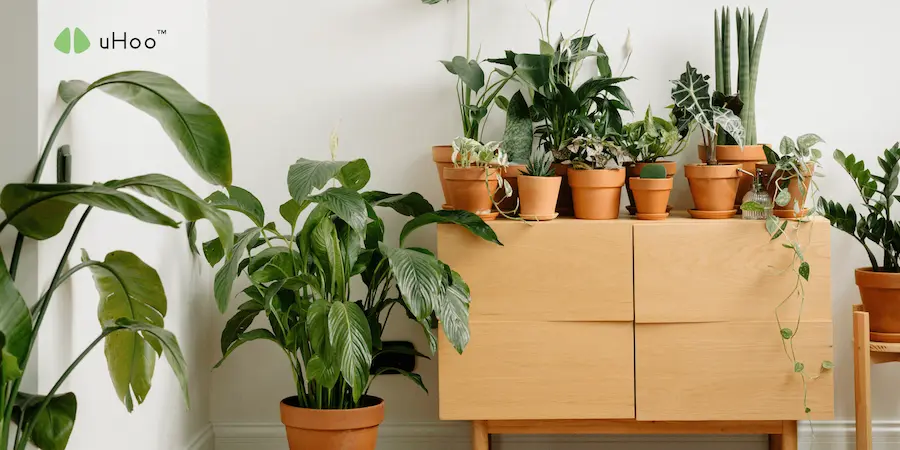
This comprehensive guide will walk homeowners through the process of choosing, caring for, and maximizing the benefits of air-purifying houseplants, transforming your home into a fresher, healthier sanctuary for the entire family.
First of all, many common household items release VOCs. Here are some of the main culprits that air-purifying houseplants can help mitigate:
- Formaldehyde: Found in plywood, particleboard, glues, carpets, paints, and some fabrics.
- Benzene: Present in plastics, synthetic fibers, detergents, pesticides, and cigarette smoke.
- Trichloroethylene: Released from printing inks, paints, lacquers, varnishes, and adhesives.
- Xylene & Toluene: Common in glues, leather, paints, and some air fresheners.
- Ammonia: Found in many common household cleaning products, especially glass cleaners.
Choosing Your Air-Purifying Houseplants: The Selection Process
Selecting the right air-purifying houseplants shouldn’t just be about aesthetics. It should be about matching the plant’s needs with your home’s environment and your lifestyle.
- Assess Your Space’s Light Conditions:
- Bright, Indirect Light: Near a window that gets plenty of light but not direct, scorching sun. Most flowering plants and many popular foliage plants thrive here.
- Medium Light: A few feet away from a bright window, or in a room with a good window but not direct sunlight.
- Low Light: Rooms with minimal natural light, often reliant on artificial illumination. Only a few resilient air-purifying houseplants can genuinely thrive here.
- Consider Your Home’s Climate:
- Humidity: Most air-purifying houseplants appreciate higher humidity. If your home tends to be dry (e.g., from extensive air conditioning), consider misting or using a pebble tray for plants that prefer more moisture.
- Temperature: Ensure your chosen plant can tolerate typical indoor temperatures, which are generally stable within homes.
- Evaluate Your Lifestyle and Commitment:
- Maintenance Level: Are you a diligent plant parent, or do you prefer to water infrequently? Look for “low maintenance,” “drought tolerant,” or “easy care” options if you’re a beginner or have a busy schedule.
- Pet and Child Safety: If you have curious pets or young children, always verify if a plant is toxic if ingested. Many beautiful and effective air-purifying plants are non-toxic.
- Define Your Needs: Are you aiming to tackle specific pollutants (e.g., from new furniture)? Or simply looking for general air freshening and CO2 reduction?
Top 5 Air-Purifying Houseplants for Homeowners
Here are some excellent choices, combining air-purifying power with relative ease of care:
- Snake Plant (Sansevieria trifasciata)
- Air-Purifying Benefits: Removes formaldehyde, benzene, trichloroethylene, and xylene. Unique for producing oxygen at night, making it ideal for bedrooms.
- Ideal Conditions: Extremely versatile; tolerates very low to bright indirect light. Prefers dry conditions between waterings.
- Why it’s great: Known for being “unkillable,” it has a sleek, upright form and is perfect for beginners and those who travel often.
- Peace Lily (Spathiphyllum)
- Air-Purifying Benefits: Fights formaldehyde, benzene, trichloroethylene, and ammonia. Also known to reduce airborne mold spores. Learn more about combatting mold through the uHoo Mold Index.
- Ideal Conditions: Prefers medium to low indirect light. Likes consistently moist (but not soggy) soil.
- Why it’s great: Elegant appearance with beautiful white blooms, it visibly droops when thirsty (making it easy to know when to water), and thrives in humid environments.
- Pothos (Devil’s Ivy) (Epipremnum aureum)
- Air-Purifying Benefits: Effective against formaldehyde, benzene, carbon monoxide, and xylene. Great for areas with off-gassing materials.
- Ideal Conditions: Highly adaptable; thrives in low to bright indirect light. Tolerates some neglect with watering.
- Why it’s great: Extremely easy to grow, versatile (can trail from shelves or hang), and comes in attractive variegated forms.
- Chinese Evergreen (Aglaonema species)
- Air-Purifying Benefits: Excellent for removing benzene, formaldehyde, carbon monoxide, and trichloroethylene.
- Ideal Conditions: Prefers medium to low indirect light. Likes consistently moist soil, though tolerant of occasional drying out.
- Why it’s great: Offers a stunning variety of colorful foliage, is very resilient, and can tolerate lower light conditions often found in homes.
- ZZ Plant (Zamioculcas zamiifolia)
- Air-Purifying Power: Highly effective at removing xylene, toluene, benzene, and ethylbenzene. Also known to reduce levels of formaldehyde.
- Ideal Conditions: Tolerates extremely low light conditions and infrequent watering.
- Why it’s great: Its striking, waxy, dark green leaves and incredible hardiness make it perfect for beginners and busy homeowners. It’s almost impossible to kill.
By inviting these air-purifying houseplants into your home, you’re not just decorating. You’re actively contributing to a cleaner, fresher indoor environment. These natural filters are fantastic, but for a truly comprehensive understanding and control of your home’s air quality, a uHoo air quality monitor is also great at purifying the air.