
We often focus on visible pollutants like dust or pet dander when discussing indoor air quality (IAQ). However, an unseen yet powerful factor plays a crucial role in the air we breathe: humidity. Maintaining optimal indoor humidity levels is not just about comfort. It’s a vital component of a healthy indoor environment.
The Double-Edged Sword of Humidity
Humidity, or the amount of moisture in the air, can be a double-edged sword.
- Too High: Excessive humidity creates a breeding ground for a host of undesirable elements. Mold and mildew thrive in moist conditions, releasing spores that can trigger allergies, asthma attacks, and other respiratory issues. Dust mites, another common allergen, also multiply rapidly in high humidity. Beyond biological contaminants, high humidity can lead to off-gassing from building materials and furniture, releasing volatile organic compounds (VOCs) into the air. It can also cause a stuffy, uncomfortable feeling, making it harder to breathe for some individuals.
- Too Low: On the other hand, air that is too dry can also have detrimental effects. Low humidity can dry out mucous membranes in the nose and throat, making individuals more susceptible to colds, flu, and other respiratory infections. It can exacerbate dry skin, irritated eyes, and static electricity. Furthermore, dry air can cause wood floors and furniture to crack, and even damage sensitive electronics.
What is the Optimal Humidity Level for IAQ?
The key to enhanced indoor air quality lies in finding the ideal zone for humidity – not too high, not too low, but just right. Generally, an indoor relative humidity level between 40% and 60% is considered ideal. In this range:
- Mold and Dust Mite Growth is Inhibited: The conditions are less favorable for these common allergens to flourish, significantly reducing their presence in your home.
- Respiratory Health is Supported: Mucous membranes remain moist and effective at trapping airborne particles and pathogens, boosting your natural defenses.
- Reduced Spread of Viruses: Some studies suggest that maintaining optimal humidity can inhibit the airborne transmission of certain viruses.
- Minimized Off-Gassing: While not eliminating it entirely, balanced humidity can help reduce the rate at which some materials off-gas VOCs.
- Enhanced Comfort: A comfortable humidity level contributes to a sense of well-being, making your indoor environment more pleasant.
6 Strategies for Humidity Level Management
Achieving and maintaining optimal humidity levels involves a combination of awareness and action:
- Ventilation is Key: Proper ventilation is crucial for controlling humidity, especially in moisture-prone areas like bathrooms and kitchens. Use exhaust fans during and after showering or cooking.
- Dehumidifiers for Excess Moisture: In humid climates or during damp seasons, a dehumidifier can effectively remove excess moisture from the air.
- Humidifiers for Dry Air: During dry winter months, a humidifier can add much-needed moisture back into the air. Be sure to clean humidifiers regularly to prevent the growth of mold and bacteria.
- Fix Leaks Promptly: Address any plumbing leaks or water intrusions immediately to prevent moisture buildup and potential mold growth.
- Mind Your Plants: While plants can contribute to indoor air quality, too many plants can also increase humidity.
- Monitor Indoor Air Quality: You can’t manage what you don’t measure. Regularly monitoring your indoor humidity levels is the first step towards effective management.
How uHoo Can Help You Manage Your Indoor Humidity Level
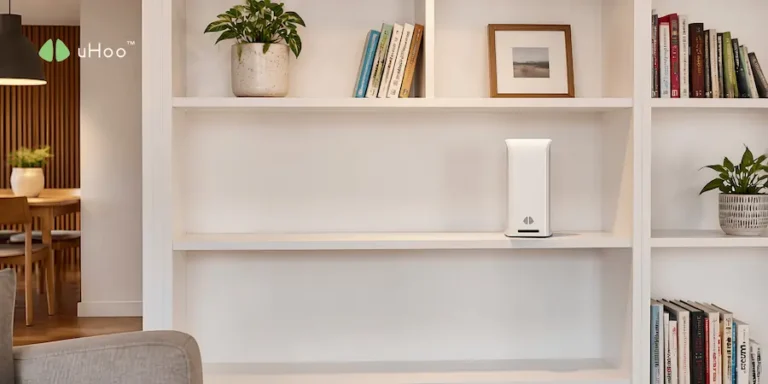
To truly take control of your indoor air quality and specifically manage humidity, a dedicated air quality monitor is invaluable. The uHoo air quality monitor provides real-time data on various indoor air parameters, including humidity. With uHoo, you can:
- See current humidity levels at a glance: No more guessing whether your air is too dry or too damp.
- Receive alerts when humidity deviates from your set preferences: This allows for proactive intervention, whether it’s turning on a dehumidifier or a humidifier.
- Track historical humidity data: Understand trends and identify patterns to optimize your humidity management strategies over time.
By providing accurate and actionable insights into your indoor humidity level, uHoo empowers you to create a healthier, more comfortable, and safer living environment for you and your loved ones.