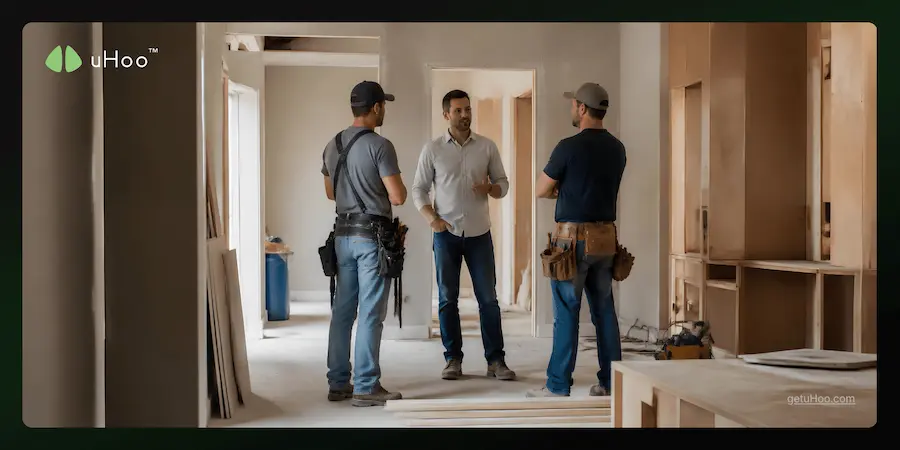
Home renovations are an exciting opportunity to improve your living space. Whether you’re remodeling your kitchen, painting a bedroom, replacing flooring, or building a home office, renovations can increase comfort, functionality, and even your home’s value.
However, renovation projects can also significantly affect indoor air quality. During and after construction, your home may experience higher levels of dust, Volatile Organic Compounds (VOCs), and other airborne particles. These changes are often temporary, but understanding renovation air quality helps homeowners take practical steps to maintain a healthier indoor environment throughout the project.
By planning ahead and monitoring your home’s air, you can enjoy your newly renovated space while minimizing unnecessary exposure to indoor pollutants.
Why Renovations Affect Indoor Air Quality
Almost every renovation project changes your indoor environment in some way.
Common renovation activities include:
- Painting walls
- Installing new flooring
- Replacing cabinets
- Sanding wood
- Cutting drywall
- Applying adhesives
- Installing insulation
Each of these activities introduces materials and particles into the air that can temporarily affect Indoor Air Quality (IAQ).
While these changes are expected during construction, they often continue even after the work is complete.
Dust Is One of the Biggest Renovation Pollutants
Construction dust is one of the most noticeable effects of a renovation.
Even small projects generate dust from:
- Drywall
- Wood
- Concrete
- Tile
- Insulation
- Plaster
These fine particles don’t simply fall to the floor immediately.
Instead, they can:
- Remain suspended in the air
- Settle on furniture
- Spread through HVAC systems
- Move into rooms far from the renovation area
Without proper cleaning and ventilation, renovation dust may linger for days or even weeks after construction ends.
New Building Materials May Release VOCs
Many renovation materials release Volatile Organic Compounds (VOCs).
Common sources include:
- Fresh paint
- Wood finishes
- Adhesives
- Sealants
- New carpeting
- Vinyl flooring
- Cabinets
- Engineered wood products
These materials often go through a process called off-gassing, where small amounts of chemical compounds are gradually released into the air.
The amount and duration vary depending on the material, but proper ventilation can help reduce indoor concentrations.
Painting Can Change Indoor Air
Painting is one of the most common home improvement projects.
Even when using modern low-VOC products, freshly painted rooms may temporarily experience higher VOC levels.
Factors that influence indoor air include:
- Type of paint
- Number of coats
- Room size
- Ventilation
- Drying time
Opening windows when outdoor conditions are favorable and allowing sufficient curing time can help improve renovation air quality after painting.
Flooring Projects Affect More Than Appearance
Replacing flooring often introduces both dust and VOCs.
Removing old flooring may disturb:
- Dust
- Dirt
- Existing adhesives
Installing new flooring may introduce:
- Adhesives
- Sealants
- Off-gassing materials
Whether you’re installing hardwood, laminate, vinyl, or carpet, maintaining good airflow during installation helps improve indoor conditions.
HVAC Systems Can Spread Renovation Dust
Your HVAC system circulates air throughout your home.
During renovations, it can also circulate:
- Construction dust
- Fine particles
- Airborne debris
Protecting HVAC vents near the work area and replacing filters after renovations help reduce the spread of construction particles throughout the house.
Scheduling HVAC maintenance after larger renovation projects is also a good practice.
Ventilation Is Essential During Renovations
One of the most effective ways to improve renovation air quality is through proper ventilation.
Fresh air helps:
- Remove airborne dust
- Dilute VOCs
- Improve airflow
- Reduce indoor odors
- Refresh enclosed spaces
Depending on weather and outdoor air quality, homeowners can improve ventilation by:
- Opening windows
- Running exhaust fans
- Using kitchen and bathroom ventilation
- Operating HVAC systems with clean filters
Good airflow supports both comfort and indoor air quality throughout the renovation process.
Renovation Projects Affect More Than One Room
Many homeowners assume only the room being renovated is affected.
In reality, dust and airborne particles often travel into:
- Hallways
- Bedrooms
- Living rooms
- Home offices
- Basements
Foot traffic, airflow, and HVAC systems can all spread particles throughout the home.
Using plastic barriers and keeping renovation areas isolated helps reduce this movement.
Indoor Air Can Continue Changing After Construction
Many renovation-related air quality changes don’t end when the project is finished.
New materials may continue releasing small amounts of VOCs as they cure.
Furniture, flooring, paint, and cabinetry all require time before emissions gradually decrease.
Monitoring indoor air after construction helps homeowners understand how long these environmental changes continue.
Monitoring Helps You See What’s Invisible
The biggest challenge during renovations is that many indoor air changes cannot be seen.
You may notice visible dust, but you can’t easily detect:
- VOCs
- Rising CO2
- Humidity changes
- Airflow differences
Monitoring these conditions helps homeowners understand how renovation activities influence their indoor environment before, during, and after construction.
Instead of relying only on smell or appearance, real-time information provides a clearer picture of what’s happening inside your home.
Enjoy Your Renovated Home With Healthier Indoor Air
Renovating your home should improve your quality of life, and maintaining good indoor air quality helps ensure that happens.
By improving ventilation, cleaning thoroughly, replacing HVAC filters, and understanding how construction affects your indoor environment, you can reduce temporary air quality issues while enjoying your newly updated space.
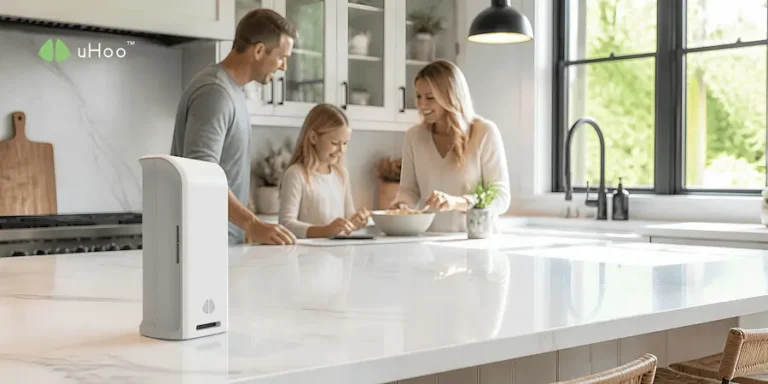
Solutions like uHoo Caeli continuously monitor important indoor air quality factors including VOCs, CO2, humidity, temperature, and more. With real-time insights, uHoo Caeli helps homeowners understand how renovation projects affect their indoor environment, making it easier to maintain healthier air before, during, and after every home improvement project.
Frequently Asked Questions
How do home renovations affect indoor air quality?
Home renovations often increase dust, VOCs, and other airborne particles through activities such as painting, sanding, flooring installation, and demolition.
What are VOCs during renovations?
Volatile Organic Compounds (VOCs) are chemical compounds released from products such as paint, adhesives, flooring, cabinets, and sealants during and after renovation projects.
How long does renovation dust stay in the air?
Construction dust can remain airborne for hours and may continue settling throughout the home for days, depending on ventilation, cleaning, and the size of the renovation.
How can I monitor indoor air during a renovation?
A smart indoor air quality monitor like uHoo Caeli continuously measures VOCs, CO2, humidity, temperature, and other important environmental factors, helping homeowners understand how renovation activities affect their indoor air and when conditions begin returning to normal.