Whether you’re working from home or in a bustling office, indoor humidity plays a significant role in your comfort and well-being. Getting the balance right can seem tricky, but it’s easier than you think. This guide will walk you through simple steps to manage indoor humidity, creating a healthier and more productive environment for everyone.
Why Humidity Matters, Everywhere
It’s not just about comfort; humidity affects our health and productivity in numerous ways:
- Homes:
- Dry air can cause itchy skin, irritated sinuses, and even nosebleeds.
- High humidity encourages mold growth, triggering allergies and respiratory issues.
- It can also damage furniture and electronics.
- Offices:
- Dry air can lead to decreased concentration and productivity.
- High humidity can create a stuffy, uncomfortable atmosphere, impacting employee morale.
- It can also damage sensitive equipment.
Aim for 30-50% Relative Humidity
The ideal range for indoor humidity is between 30% and 50%. This range minimizes health risks and maximizes comfort. Here’s how to achieve it:
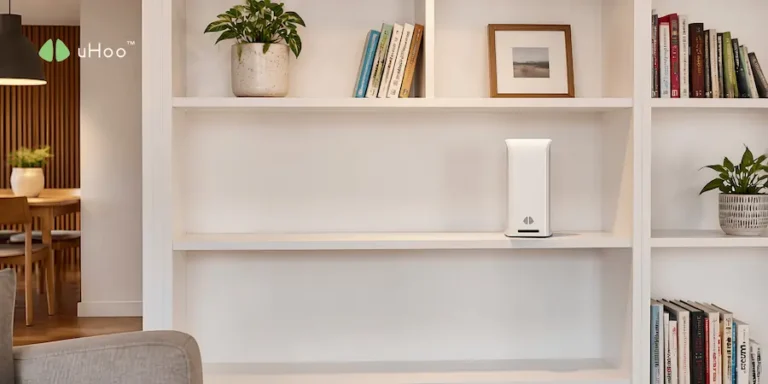
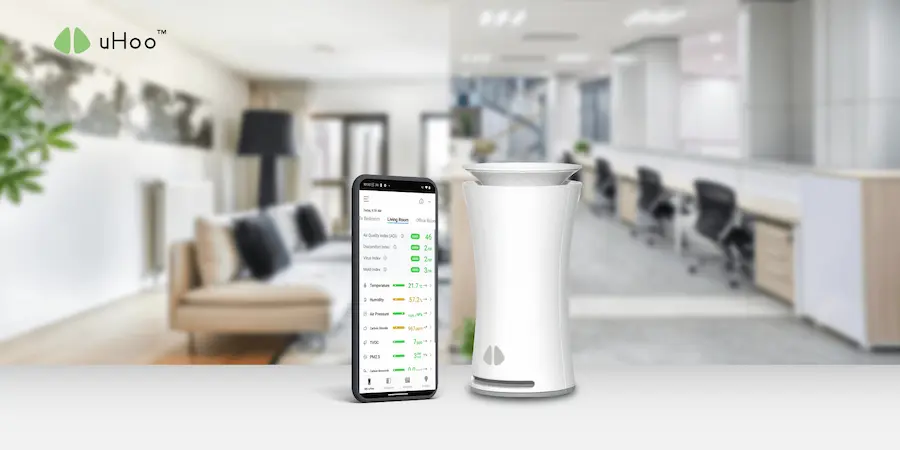
- Invest in a uHoo Air Quality Monitor: Worth Every Penny!
- Accurate, real-time data: uHoo provides precise measurements of humidity, temperature, and other crucial air quality factors.
- Proactive alerts: The uHoo app notifies you when humidity levels stray outside the ideal range, allowing you to take immediate action.
- Long-term insights: Track humidity trends over time to identify patterns and understand the factors affecting your indoor environment.
- This device is an invaluable tool for both home and office and will help you maintain optimal air quality.
- Humidifiers and Dehumidifiers: Your Humidity Allies
- Humidifiers add moisture to dry air, especially helpful during winter months or in dry climates.
- Dehumidifiers remove excess moisture, essential in humid climates or damp environments.
- Place them strategically: In homes, bedrooms and living areas benefit from humidifiers, while basements and bathrooms often need dehumidifiers. In offices, consider common areas and server rooms.
- Ventilation: Let Fresh Air In
- Open windows and doors whenever possible, especially during moderate weather.
- Use exhaust fans in bathrooms and kitchens to remove moisture generated during showers and cooking.
- In offices, ensure proper ventilation systems are functioning correctly.
- Control Moisture Sources: Be Mindful of Water
- Repair leaks promptly: Leaky pipes or roofs can significantly increase indoor humidity.
- Avoid overwatering plants: Excess moisture from plants can contribute to high humidity.
- In offices, address any leaks from water coolers or plumbing immediately.
- Regular Maintenance: Keep Things Clean and Dry
- Wipe down condensation from windows and surfaces.
- Clean and dry damp areas regularly, especially in bathrooms and kitchens.
- In offices, regular cleaning of air vents and HVAC systems is crucial.
Balancing humidity is an investment in your well-being and productivity. By implementing these simple steps and utilizing tools like the uHoo air quality monitor, you can create a healthier and more comfortable indoor environment for everyone.