
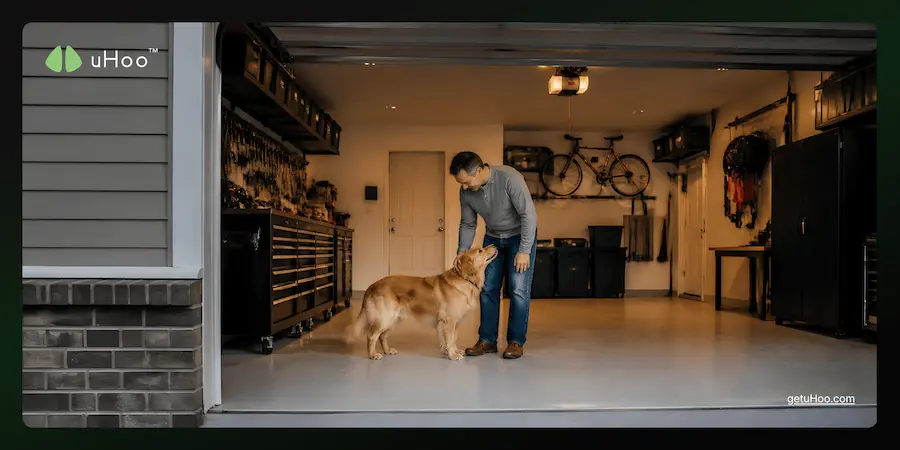
Pets bring companionship, comfort, and joy to millions of households across the United States. Whether you have a playful dog, a curious cat, or several furry companions, pets quickly become part of the family. However, they also have a noticeable impact on your home’s Indoor Air Quality (IAQ).
From pet dander and allergens to the dirt and pollen they bring in from outside, pets continuously influence the air inside your home. This doesn’t mean having pets leads to poor air quality. It simply means homeowners should understand how everyday pet activities affect their indoor environment.
By learning how pets indoor air interact, you can make simple adjustments that help maintain a cleaner and more comfortable home for everyone, including your four-legged family members.
How Pets Change Your Indoor Environment
Every member of the household affects indoor air quality, including pets.
As dogs and cats move around the home, they naturally introduce and redistribute materials that become part of your indoor environment.
Some of the most common contributors include:
- Pet dander
- Hair and fur
- Outdoor pollen
- Dust
- Dirt
- Moisture from wet paws
These particles don’t stay in one place. As pets run, jump, or play, they become airborne and circulate throughout the home.
What Is Pet Dander?
One of the most common indoor allergens associated with pets is pet dander.
Dander consists of tiny flakes of skin that are naturally shed by animals with fur or feathers.
Because these flakes are extremely lightweight, they can:
- Remain suspended in the air
- Settle on furniture
- Collect on carpets
- Accumulate on bedding
- Spread throughout multiple rooms
Unlike pet hair, which is easy to see and vacuum, dander is microscopic and often goes unnoticed.
Pets Bring Outdoor Allergens Indoors
Even indoor pets spend time outside for walks, playtime, or bathroom breaks.
During these outings, their fur can collect:
- Pollen
- Dust
- Grass particles
- Soil
- Other outdoor debris
Once they return inside, these particles transfer to:
- Floors
- Rugs
- Sofas
- Beds
- Pet blankets
This is one reason why seasonal allergens often remain inside homes long after outdoor exposure.
Pet Hair Can Trap Dust and Particles
Pet hair itself isn’t always the biggest concern for indoor air quality, but it can collect and transport other particles.
Hair often carries:
- Dust
- Pollen
- Fine airborne particles
- Household debris
As pets move throughout the house, these materials spread into different rooms.
Regular grooming and vacuuming help reduce the amount of hair and dust circulating indoors.
Pets Can Increase Airborne Particles
Active pets naturally stir up particles that have settled on floors and furniture.
Simple activities such as:
- Running through the house
- Jumping onto furniture
- Playing with toys
- Shaking after coming inside
can temporarily increase the amount of airborne dust and allergens.
This doesn’t mean pets are creating pollution. Instead, they help redistribute particles that are already present inside the home.
Bedrooms May Collect More Pet Allergens
Many families allow pets to sleep in bedrooms.
While this provides comfort and companionship, it also introduces additional pet dander and hair into a space where people spend several uninterrupted hours every night.
Pet allergens often accumulate on:
- Mattresses
- Pillows
- Blankets
- Upholstered furniture
- Curtains
Regular washing of bedding and cleaning bedroom surfaces helps reduce buildup over time.
Ventilation Helps Maintain Better Indoor Air
Good ventilation plays an important role in managing indoor air quality in pet-friendly homes.
Fresh air circulation helps:
- Dilute indoor allergens
- Improve airflow
- Reduce CO2 buildup
- Refresh enclosed rooms
Depending on outdoor conditions, opening windows, using exhaust fans, and maintaining HVAC systems all contribute to better air circulation.
Replacing HVAC filters regularly is especially important in homes with pets.
Humidity Also Affects Pet-Friendly Homes
Balanced humidity supports both indoor comfort and air quality.
When humidity becomes too high:
- Dust may accumulate more easily.
- Moisture can contribute to mold growth.
- Indoor environments may feel damp.
When humidity becomes too low:
- Air may feel dry.
- Fine particles may remain airborne longer.
Managing humidity helps maintain a more balanced indoor environment throughout the year.
Cleaning Habits Make a Difference
Routine cleaning is one of the most effective ways to manage pets indoor air.
Helpful habits include:
- Vacuuming carpets regularly
- Washing pet bedding frequently
- Grooming pets outdoors when possible
- Wiping paws after walks
- Dusting furniture with microfiber cloths
- Replacing HVAC filters on schedule
These simple practices help reduce the buildup of pet-related particles throughout the home.
Indoor Air Quality Is About Understanding Patterns
Every home is unique.
The way pets affect indoor air depends on several factors, including:
- Number of pets
- Size of the home
- Ventilation
- Flooring type
- Cleaning routine
- Seasonal weather
Rather than assuming every home experiences the same conditions, it’s helpful to understand how your own indoor environment changes over time.
Monitor Your Home’s Air With Confidence
Many of the particles associated with pets are too small to see.
You can’t easily detect:
- Rising CO2
- Changing humidity
- Invisible VOCs
- Airflow differences
- Fine airborne particles
Monitoring your indoor environment provides a clearer understanding of how daily pet activities influence your home’s air.
Solutions like uHoo Caeli continuously monitor important indoor air quality factors including CO2, VOCs, humidity, temperature, and more. With real-time insights, uHoo Caeli helps homeowners understand how everyday activities, including life with pets, affect their indoor environment, making it easier to maintain a cleaner, healthier, and more comfortable home for every member of the family.
Frequently Asked Questions
Do pets affect indoor air quality?
Yes. Pets influence Indoor Air Quality (IAQ) by introducing pet dander, allergens, dust, pollen, and other particles into the home.
What is pet dander?
Pet dander consists of microscopic skin flakes naturally shed by animals. Because these flakes are extremely small, they can remain airborne and settle throughout the home.
How can I reduce pet allergens indoors?
Regular grooming, vacuuming, washing pet bedding, replacing HVAC filters, improving ventilation, and maintaining balanced humidity all help reduce allergens inside the home.
How can I monitor indoor air quality in a home with pets?
A smart indoor air quality monitor like uHoo Caeli continuously measures CO2, VOCs, humidity, temperature, and other important environmental factors, helping homeowners better understand how pets influence their indoor air over time.