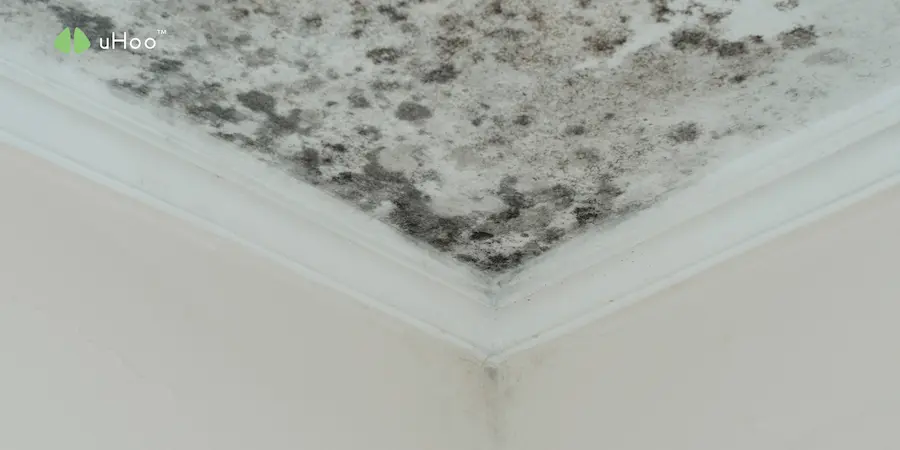
For homeowners, mold and household allergens are two of the most insidious threats to both health and property. They are microscopic, often hidden, and their proliferation is directly tied to one easily-managed factor: indoor dampness.
Fortunately, the battle against these irritants has been revolutionized by the advent of smart tech to fight mold, which translates the abstract feeling of “damp” air into actionable, digital data. This shift from manual guesswork to automated, data-driven control is the most effective way to create a mold- and allergen-resistant living space.
The technology hinges on sophisticated relative humidity (RH) sensors, known as hygrometers, that are integrated into smart air quality monitors and dehumidifiers. Mold, mildew, and dust mites all require a relative humidity level above 60% to thrive and reproduce. A standard, non-smart dehumidifier might only register a general “high” or “low” and run on a fixed schedule.
Smart technology, however, provides a continuous stream of precise data, measuring RH down to the percentage point and reporting it in real-time to a connected app. This constant monitoring is crucial because mold growth doesn’t happen instantly. It is a cumulative effect of prolonged damp conditions.
Smart dehumidifiers and monitors are programmed with algorithms that understand this critical threshold. They are designed to be proactive, automatically engaging the dehumidifier when the RH approaches 55% well before mold can set in.
This automation means there are no lapses in protection, such as forgetting to turn on a unit after a long, humid day or during an extended trip away from home. The smart system is a 24/7 digital guard against moisture buildup.
Moreover, smart tech provides a level of insight that manual checks cannot. By tracking the RH history, you can identify problem areas or recurring issues you were unaware of. Does the humidity spike every time you take a shower, indicating poor bathroom ventilation? Does one corner of your basement consistently show higher readings than the rest of the room, suggesting a slow leak in the foundation?
The data delivered by smart monitors empowers the homeowner to move beyond treating symptoms and instead find and fix the underlying causes of dampness. This data-to-action pipeline extends beyond dehumidification.
Once the smart monitor detects high humidity, it can be programmed to trigger other smart home devices, for instance, turning on an exhaust fan, or even adjusting a smart thermostat to use the air conditioning unit for extra moisture removal.
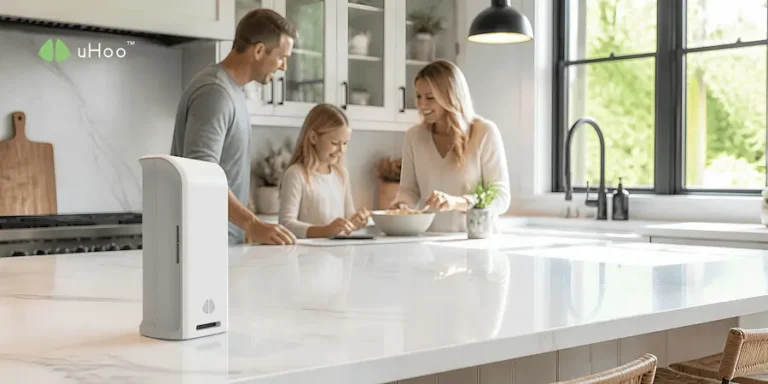
When coupled with a sophisticated air quality monitor, such as a uHoo device, which can report a full suite of environmental factors including PM2.5 and VOCs, you gain a layered defense. You can see the reduction in moisture directly correlate with a drop in allergen or mold-related particle levels, providing verifiable proof that your smart technology is successfully detoxifying your air and protecting your home from the damaging effects of dampness.