
Why Opening Windows Isn’t Always Enough

The first instinct for fresher air When indoor spaces feel stuffy, opening windows is often the first solution people turn to. Fresh outdoor air can help dilute indoor pollutants and improve circulation. While this approach is beneficial in many situations, it does not always guarantee cleaner air. Understanding window ventilation limits helps homeowners make more […]
How Bathrooms and Kitchens Increase Mold Risk
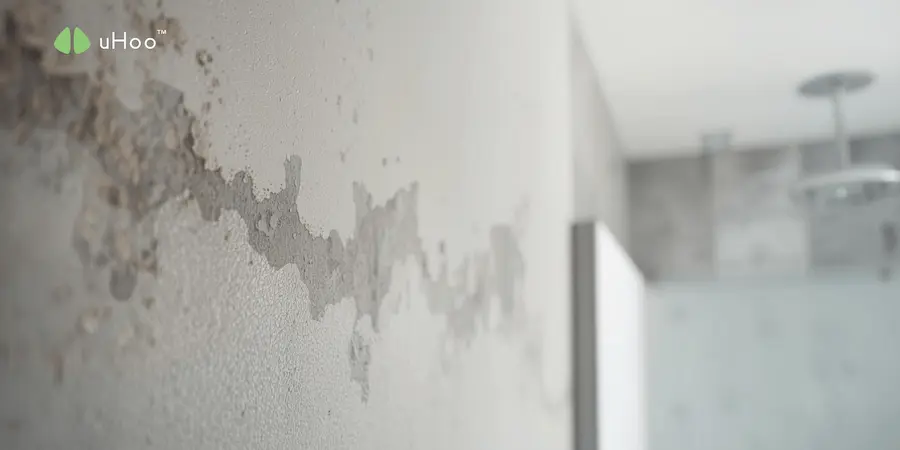
The spaces most vulnerable to moisture Bathrooms and kitchens are essential parts of daily living. Yet they are also the areas most prone to excess moisture indoors. Frequent water use, steam, and limited airflow create conditions where mold can develop quietly over time. Understanding the mold risk bathrooms environments face is key to protecting both […]
Hidden Indoor Pollutants in Modern Buildings

Modern design, invisible risks Today’s buildings are designed for efficiency, comfort, and aesthetics. Sealed windows, energy-efficient insulation, and advanced construction materials have transformed how offices operate. Yet these same innovations can trap pollutants indoors. Without proper awareness, indoor pollutants in office environments may accumulate unnoticed, affecting both employee well-being and workplace performance. Where indoor pollutants […]
The Relationship Between Ventilation and Productivity

Why air movement matters more than we think Workplace productivity is often linked to management strategies, technology, and culture. Yet one of the most influential factors is invisible. Ventilation. How air flows through an office directly shapes comfort, cognitive performance, and overall employee experience. Understanding ventilation productivity helps organizations design environments that support sustained focus […]
How Indoor Temperature Affects Comfort and Health

Temperature shapes how we feel indoors Indoor environments should feel comfortable and supportive of daily life. Yet temperature is often overlooked as a health factor rather than just a comfort setting. Understanding indoor temperature effects helps explain why some homes feel refreshing while others feel draining, even when they look identical. Comfort begins with balance […]
How IR Tools Pinpoint Moisture Damage

Moisture within a home is a silent destroyer, causing structural decay and providing the perfect habitat for mold. Often, the resulting moisture damage remains hidden behind walls and ceilings, making it impossible to detect until the damage is extensive and costly. This is why IR tools, specifically infrared thermometers, have become an essential, non-destructive method […]
Beyond the Manual: 5 Practical Tips for Knowing When to Change Filters

That little booklet that came with your AC, vacuum, or air purifier probably gives you a timeline for changing filters. And while those guidelines are a good starting point, real life often throws a curveball. Instead of sticking strictly to the manual, here are 5 super practical, easy-to-understand clues your filters are sending you that […]
The Foundation of Fresh Air: Choosing Building Materials That Fight Mold and Spores

The quest for consistently fresh, clean air begins with a simple truth: air quality is inextricably linked to the materials surrounding you. When building or renovating, the decision to choose materials that actively fight mold and spores lays the foundation for a home that promotes long-term health, acting as an environmental force multiplier against biological […]
How Infrared Thermometers Spot Hidden Moisture Traps

Hidden moisture traps are a homeowner’s nightmare. They are the unseen culprits behind structural damage and, more importantly for your health, the growth of mold. An infrared (IR) thermometer is a simple, non-contact tool that can act as your first line of defense, helping you to peer beyond the surface of your walls and ceilings […]
What is NO2 and How to Track It for a Healthier Home

To fully address the challenge posed by what is NO2, nitrogen dioxide, homeowners must transition from general awareness to a strategy of proactive, precise tracking. Nitrogen dioxide is a major, yet often invisible, indoor air pollutant, and its effective management for a healthier home environment fundamentally relies on accurate, continuous measurement. Tracking this gas allows […]