
Smart Products That Block Mold Growth and Keep Your Air Clean
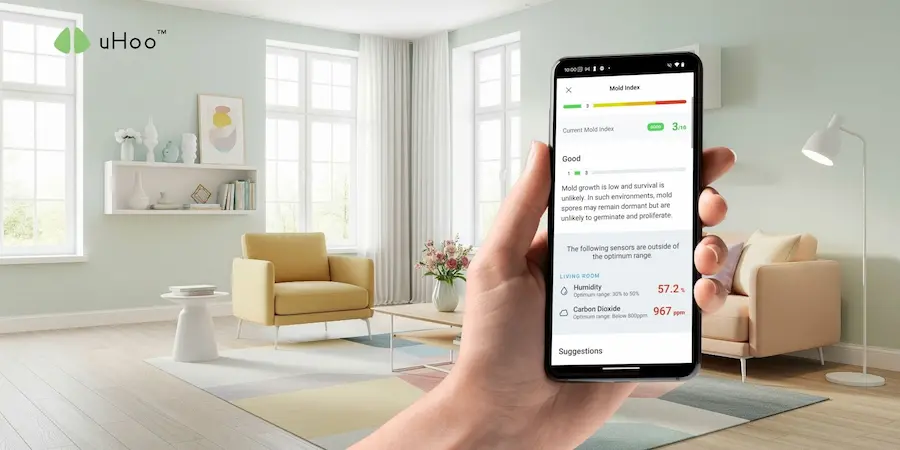
Achieving truly spore-free air in your home is a product of making smart, material choices during construction or renovation. The market now offers a variety of products that are specifically engineered to block mold growth, transforming your home from a passive environment to one that actively resists biological contaminants. Choosing these items is the fastest […]
How the Vape Index Helps Buildings Detect and Manage Indoor Vaping

Indoor vaping has become an increasing concern for many building operators. While smoking bans are widely enforced in commercial buildings, vaping devices often produce less visible emissions, making them harder to detect. This challenge is particularly common in environments such as: Schools and universities Office buildings Multi-tenant properties Hotels and hospitality venues Although vaping is […]
How the Norovirus Index Helps Facility Managers Monitor Indoor Environmental Risk

Norovirus is one of the most contagious viruses affecting shared environments. It is responsible for millions of cases of gastrointestinal illness every year and is known for spreading rapidly in high-density spaces. Commercial buildings such as offices, hotels, schools, healthcare facilities, and transportation hubs are particularly vulnerable because they bring large numbers of people into […]
A Smarter Way to Understand Flu Risk at Home: The Influenza Index on the uHoo App

Indoor air quality plays a major role in how healthy and comfortable our homes feel. From allergens and humidity to pollutants and ventilation, the conditions inside our homes can influence how we sleep, breathe, and stay well throughout the year. During flu season, many people become more aware of how indoor environments can affect the […]
How Indoor Air Affects Headaches and Brain Fog

Many people experience headaches, fatigue, or brain fog during the day without immediately understanding why. While stress, lack of sleep, or dehydration are often blamed, another common factor is frequently overlooked: indoor air quality. Because people spend most of their time indoors, the air inside homes can significantly influence mental clarity, energy levels, and overall […]
Why Indoor Air Should Be Part of Risk Management

When workplace risks go beyond the visible Risk management frameworks are designed to identify, assess, and mitigate threats that could disrupt operations or harm employees. Traditionally, these programs focus on visible hazards such as fire safety, structural risks, and cybersecurity. However, indoor air quality remains one of the most overlooked workplace risks despite its continuous […]
Is “Fresh Smelling” Air Always Clean?
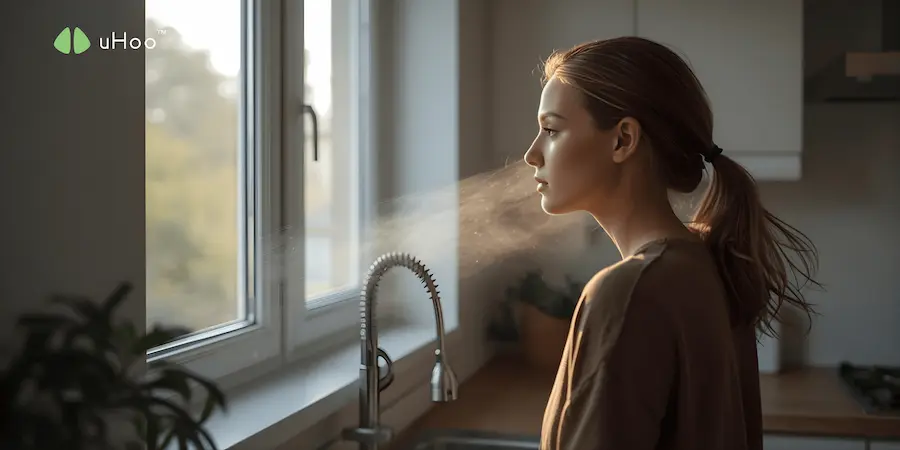
When scent shapes perception Many people associate a pleasant scent with cleanliness. If a room smells like citrus, linen, or flowers, it feels fresh and safe. However, fresh air vs clean air are not always the same. Scent influences perception, but it does not necessarily reflect what is happening at an air quality level. In […]
Why Continuous Air Monitoring Is Better Than One-Time Tests

Air quality is never static Indoor air is constantly changing. From the moment you wake up to when you go to sleep, activities throughout the day influence what you breathe. Cooking, cleaning, working, and even sleeping affect pollutant levels, humidity, and ventilation. Because of this, one-time testing only provides a snapshot rather than the full […]
The Moisture Detective: Using a Humidity Sensor for a Healthier Home

Think of your home’s air as an invisible resident, constantly interacting with everything from your wooden floors to your lungs. One of the most impactful, yet often overlooked, aspects of this invisible resident is humidity – the amount of moisture present in the air. Too much or too little can lead to a host of […]
What Happens When CO₂ Builds Up Indoors

The invisible air change most homes miss Carbon dioxide is a natural part of the air we breathe. Every time we exhale, we release CO2 into our surroundings. In outdoor environments, this is rarely a concern because fresh air constantly circulates. Indoors, the situation is different. When airflow is limited, CO2 buildup at home can […]