
The Hidden Costs of Reactive Maintenance

Many organizations manage building systems by responding to problems only after they appear. While this reactive maintenance approach may seem practical in the short term, it often creates hidden costs that affect operations, employee comfort, and long-term facility performance. When it comes to reactive IAQ management, waiting for complaints or visible issues before taking action […]
Managing Indoor Air in High-Density Environments

High-density workplaces such as open offices, call centers, shared workspaces, and large meeting areas present unique indoor air quality challenges. When many people occupy the same space for extended periods, environmental conditions can change quickly. Without proper planning and monitoring, these environments may experience fluctuations in high-density IAQ, affecting comfort, productivity, and workplace health. Understanding […]
What Happens to Indoor Air When You’re Away

Many homeowners assume that when no one is inside the house, the indoor environment stays stable. In reality, indoor air continues to change even when the home is empty. Understanding indoor air in empty home conditions can help homeowners recognize how environmental factors behave without daily human activity. From humidity shifts to ventilation changes, indoor […]
How Ventilation Impacts Energy and Comfort
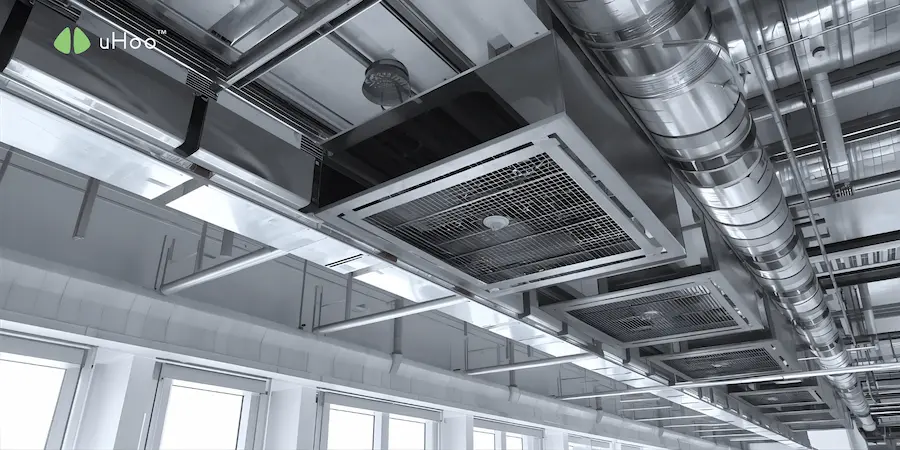
Finding the right balance between energy efficiency and indoor comfort is one of the biggest challenges in home management. Ventilation plays a key role in maintaining that balance. Too little airflow can make indoor spaces feel stuffy and unhealthy, while excessive ventilation can increase energy consumption. Understanding how ventilation energy comfort dynamics work helps homeowners […]
Musty Smells: What They Really Mean

A musty smell inside the home is often ignored or temporarily masked with air fresheners. However, persistent odors are usually a warning sign that something is happening in your indoor environment. If you notice a musty smell in the house, it is important to pay attention. That scent is commonly associated with moisture buildup, mold […]
The Role of IAQ in Employee Retention

Employee retention is often discussed in terms of salary, leadership, and company culture. But there’s another factor that quietly influences how employees feel about their workplace every single day: indoor air quality. The connection between air quality and employee retention is becoming clearer as organizations prioritize employee experience, workplace comfort, and overall well-being. Workplace comfort […]
Preventing Mold in Large Commercial Spaces

Why mold prevention matters in commercial buildings Mold growth in large commercial facilities is more than a maintenance issue. It is a building performance, health, and financial risk. From office towers to retail centers and hotels, mold can impact operations through property damage, occupant complaints, and compliance concerns. Because of the scale of commercial properties, […]
IAQ Challenges in Shared and Hybrid Offices

The New Workplace Reality: Hybrid and Shared Spaces Hybrid work has reshaped how offices operate. On any given day, occupancy can fluctuate dramatically from near-empty floors to fully booked collaboration zones. While this flexibility benefits productivity and employee satisfaction, it introduces a new operational blind spot: hybrid office air quality. Unlike traditional offices with predictable […]
Daily Habits That Degrade Indoor Air

Small routines, hidden impact Many homeowners assume that indoor air pollution comes from outside sources. However, some of the most common causes of poor indoor air come from everyday habits inside the home. Because indoor spaces are enclosed, pollutants released throughout the day can accumulate quickly. Over time, these small exposures contribute to ongoing household […]
Using Air Quality Data in Building Operations

Why air quality belongs in operational strategy Building operations have traditionally focused on energy use, maintenance schedules, and system uptime. However, indoor environmental performance is now recognized as equally important. Air quality data management provides operational teams with measurable insight into how buildings support occupant comfort, health, and productivity. Rather than relying on assumptions, facility […]