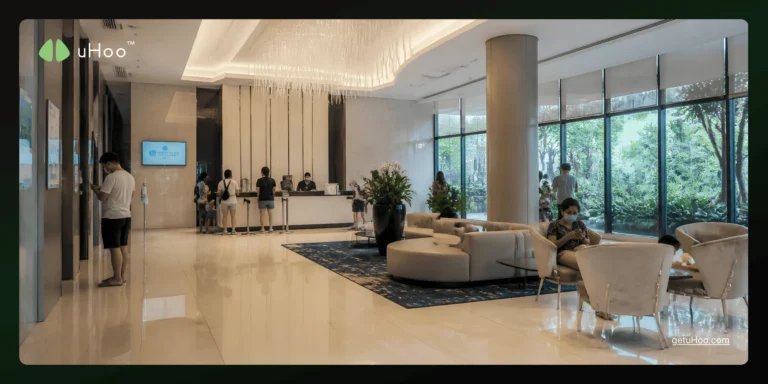

The New Workplace Reality: Hybrid and Shared Spaces
Hybrid work has reshaped how offices operate. On any given day, occupancy can fluctuate dramatically from near-empty floors to fully booked collaboration zones.
While this flexibility benefits productivity and employee satisfaction, it introduces a new operational blind spot: hybrid office air quality.
Unlike traditional offices with predictable occupancy and ventilation needs, hybrid workplaces face constantly shifting indoor environmental conditions, making indoor air quality (IAQ) harder to manage.
Why Hybrid Offices Face Unique IAQ Challenges
1. Occupancy Spikes Are Hard to Predict
Meeting days, team on-sites, and company events can suddenly increase headcount.
These occupancy spikes impact:
- CO₂ levels
- Temperature and humidity
- Airborne particle concentration
- Ventilation load
Without real-time monitoring, facilities teams often discover issues only after employees report discomfort.
2. Ventilation Systems Aren’t Always Adaptive
Many HVAC systems were designed for consistent daily occupancy, not fluctuating hybrid schedules.
This can result in:
- Over-ventilation (wasting energy on low-occupancy days)
- Under-ventilation (poor air circulation during peak days)
- Uneven airflow across shared spaces
Optimizing ventilation without live data becomes guesswork.
3. Shared Spaces Increase Exposure Risks
Hybrid offices rely heavily on shared environments:
- Hot desks
- Meeting rooms
- Collaboration hubs
- Phone booths
These areas experience high turnover, which can lead to:
- Rapid CO₂ buildup
- Higher particulate matter
- Increased pathogen transmission risk
- Odor accumulation
Without monitoring, these microenvironments become IAQ hotspots.
4. Cleaning and Maintenance Become Reactive
Facilities teams often rely on schedules rather than usage data.
This can mean:
- Cleaning empty spaces unnecessarily
- Missing heavily used areas
- Delayed filter replacements
- Inefficient resource allocation
IAQ data enables demand-based maintenance instead of fixed routines.
The Cost of Ignoring Hybrid Office Air Quality
Failing to address IAQ in hybrid settings can lead to:
- Increased employee complaints
- Reduced cognitive performance
- Higher absenteeism
- Lower return-to-office adoption
- Potential compliance risks
In flexible workplaces, air quality directly impacts employee willingness to come on-site.
Data Is the Missing Link
To manage hybrid office air quality effectively, organizations need continuous visibility into:
- CO₂ trends
- Humidity levels
- Temperature fluctuations
- Particulate matter
- VOC presence
This data helps teams:
- Adjust ventilation dynamically
- Prepare for peak occupancy days
- Optimize energy usage
- Improve shared space comfort
- Validate workplace safety initiatives
From Reactive to Proactive IAQ Management
Instead of waiting for complaints, proactive monitoring allows organizations to:
- Detect ventilation gaps early
- Identify overcrowded zones
- Prevent mold risk from humidity swings
- Maintain consistent comfort across work areas
In hybrid environments, real-time insight is the only scalable way to maintain healthy indoor conditions.
How Smart IAQ Monitoring Supports Hybrid Workplaces
Solutions like uHoo Aura provide:
- Continuous IAQ tracking across zones
- Occupancy-linked air quality insights
- Ventilation performance visibility
- Historical reporting for workplace planning
This enables facilities, HR, and workplace teams to align air quality strategies with hybrid work patterns. Discover how uHoo Aura helps you monitor air quality across shared and flexible office spaces, empowering smarter ventilation decisions and healthier return-to-office experiences.