
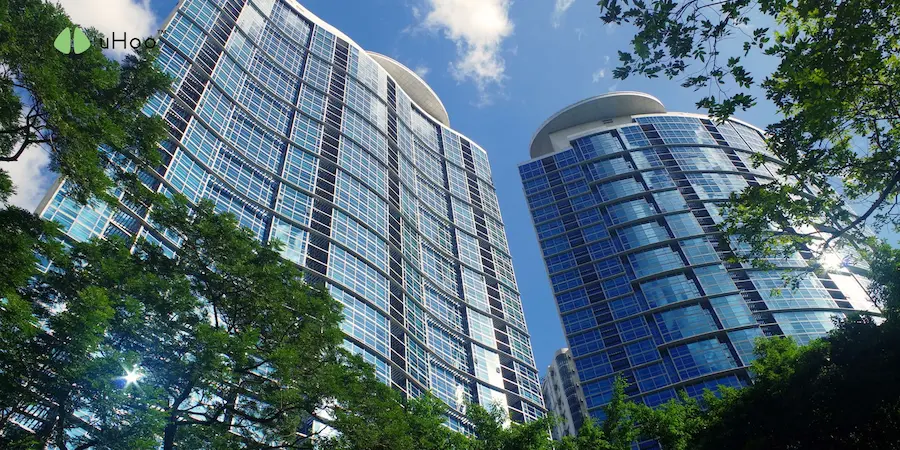
Indoor air quality is often discussed in the context of comfort or compliance, but for many organizations, it represents something more significant. When managed strategically, IAQ can become a long-term investment that supports workplace performance, operational efficiency, and overall building health.
Rather than viewing air quality improvements as short-term expenses, forward-thinking organizations are beginning to recognize the measurable IAQ ROI that healthier indoor environments can deliver over time.
Healthy buildings support employee productivity
Employees spend a large portion of their day indoors. When air conditions are poorly managed, even small environmental imbalances can affect comfort and performance.
Elevated CO2 levels, inconsistent temperature, and poor ventilation can lead to:
- Reduced concentration
- Increased fatigue during the workday
- Lower workplace satisfaction
Over time, these conditions may influence employee productivity. Improving indoor air conditions helps create environments where employees can remain comfortable and focused throughout the day.
Building health protects long-term assets
Indoor environmental conditions also affect the building itself.
Persistent humidity imbalances, poor ventilation, or undetected moisture issues may contribute to long-term structural and maintenance challenges, such as:
- Mold growth inside walls or ceilings
- Damage to building materials
- HVAC system strain
- Increased maintenance requirements
Maintaining balanced environmental conditions helps preserve the building health of commercial properties and reduces the likelihood of expensive remediation work.
Better air quality can reduce operational disruptions
Air quality issues often become visible only after complaints arise. When organizations rely on reactive responses, investigations and repairs may interrupt daily operations.
For example:
- Employees may report discomfort or poor air conditions
- Meeting spaces may become difficult to use
- Maintenance teams may need to conduct urgent inspections
Preventive IAQ management helps organizations detect environmental changes earlier, reducing disruptions and improving operational stability.
Environmental data supports smarter facility decisions
One of the strongest drivers of IAQ ROI is the ability to collect reliable environmental data.
When facility teams have visibility into indoor conditions, they can:
- Identify ventilation inefficiencies
- Track occupancy-related air quality patterns
- Optimize HVAC performance
- Prioritize maintenance actions
Over time, this information supports more strategic facility management decisions and helps organizations allocate resources more effectively.
Healthy workplaces strengthen organizational value
As businesses increasingly focus on employee well-being and sustainable building practices, indoor air quality has become an important part of workplace strategy.
Healthy indoor environments support:
- Employee experience and retention
- Corporate wellness initiatives
- Sustainable building operations
- Long-term asset performance
Investing in IAQ management contributes to a workplace that prioritizes both people and infrastructure.
Building a data-driven IAQ strategy
Organizations seeking long-term IAQ ROI are increasingly turning to continuous environmental monitoring to support proactive building management.
Solutions like uHoo Aura provide real-time visibility into critical indoor air indicators such as CO2, humidity, temperature, and VOC levels. This continuous insight helps facility teams track trends, address potential risks earlier, and maintain healthier indoor environments.
By treating indoor air quality as a long-term investment rather than a short-term expense, businesses can support building health, employee productivity, and operational resilience well into the future.