
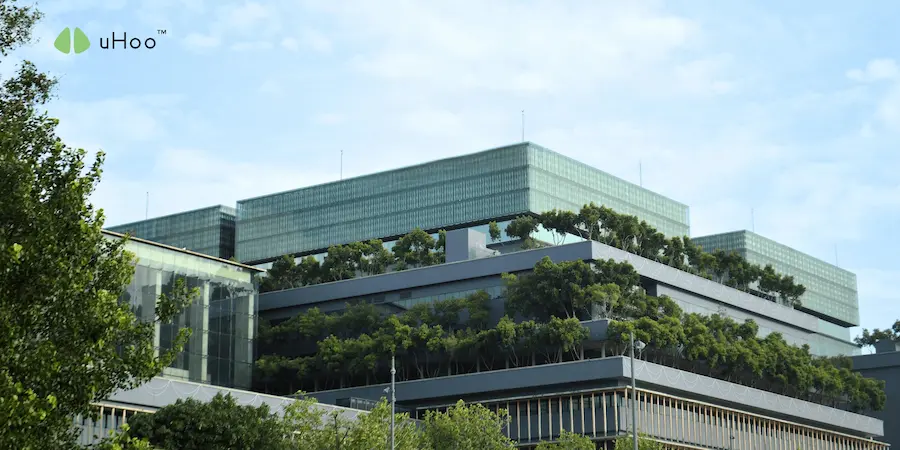
In today’s vibrant economy, the focus is often on tangible assets and immediate returns. However, a growing understanding reveals that true, sustainable value lies in a less tangible, yet profoundly impactful, investment: well-being. This is precisely the path to creating healthier buildings, i.e., spaces designed not just for function, but for human flourishing.
Investing in well-being within the built environment isn’t an expense. It’s a strategic move with multiple returns, such as:
- Improved Human Capital ROI: For businesses, the biggest cost is often their people. When employees are healthy, comfortable, and productive, their value to the company soars. Healthier buildings contribute to this by:
- Reducing Illness: Minimizing exposure to pollutants (like VOCs and mold spores, common in our humid climate) leads to fewer sick days and less presenteeism (being at work but not fully effective).
- Boosting Performance: Optimal air quality, natural light, and thermal comfort have a proven impact on cognitive function, creativity, and problem-solving.
- Enhancing Morale: A workplace that visibly cares for its occupants fosters loyalty and engagement.
- Increased Property Value and Market Appeal: As awareness of the health-building connection grows, there’s a rising demand for spaces that prioritize well-being. Investing in certifications like WELL positions your property as a premium asset, attracting discerning tenants (corporate and residential) willing to pay higher rents and ensuring consistent occupancy.
- Energy Efficiency as a Byproduct: Many features that make healthier buildings also make them more energy-efficient. Advanced ventilation systems, optimized lighting, and better insulation reduce energy consumption, leading to lower operating costs and a greener footprint.
- Risk Mitigation and Regulatory Foresight: Proactively designing for well-being helps mitigate risks associated with “sick building syndrome” and potential litigation. It also positions your building to easily meet future health and environmental regulations, ensuring its long-term viability.
- Stronger Brand and Reputation: A visible commitment to occupant well-being enhances a developer’s or business’s brand image, attracting ethically-minded investors, partners, and employees. This fosters goodwill and demonstrates leadership in sustainable and responsible practices.
The journey to healthier buildings is one of continuous improvement and informed decision-making. Technologies like uHoo air quality monitors play a crucial role by providing the real-time data needed to understand existing conditions, identify areas for improvement, and verify the ongoing effectiveness of well-being investments. By prioritizing occupant health, you not only build better spaces but also cultivate a healthier, more productive, and more resilient society.