
For any homeowner, the aspiration for clean indoor air is paramount, and the journey toward achieving it begins long before you install an air purifier or open a window. The true first line of defense is built into the very structure of your home: mold-resistant products.
These specialized materials are not just a premium upgrade; they are a fundamental preventive measure that blocks the primary source of airborne spores and toxins, ensuring a healthier and safer environment for your family’s lungs.
Mold growth is a biological process driven by three simple needs: moisture, a food source, and a comfortable temperature. While temperature is hard to fully control, and moisture management requires ongoing vigilance, mold-resistant building materials actively remove the food source and often repel moisture.
Traditional building products like standard drywall (which has a paper facing rich in cellulose) and conventional wood or insulation can quickly become a five-star dining experience for mold spores the moment they get wet.
Once mold takes hold, it releases millions of microscopic spores, allergens, and microbial volatile organic compounds (MVOCs) into the air, profoundly degrading indoor air quality and triggering respiratory issues like asthma flare-ups, chronic coughing, and allergic reactions.
Mold-resistant products are chemically or structurally engineered to disrupt this cycle. For instance, fiberglass-faced drywall replaces the paper facing with a non-organic material that mold cannot easily consume. Similarly, mold-resistant paints contain specific antimicrobial additives that inhibit fungal growth directly on the surface.
By eliminating the organic “food” and often incorporating water-repelling properties, these materials stop mold at the source, preventing it from ever releasing its harmful particulate into your living space. They shift the equation from “control the mold” to “starve the mold,” a far more proactive strategy.
The importance of this foundational defense is amplified in high-risk areas of the home, such as basements, bathrooms, and laundry rooms, where humidity and the risk of plumbing leaks are highest. Using water-impermeable materials like cement board instead of drywall around showers, and opting for non-porous ceramic or porcelain tile on floors, creates a fortress against fungal invasion. This foundational choice means that if a minor leak or condensation event occurs, the moisture has less chance of penetrating and sustaining a hidden mold colony behind the walls.
In essence, investing in mold-resistant products is a long-term investment in your family’s respiratory health. It significantly lowers the bio-load in your air, reducing the burden on your body’s immune system and the need for costly remediation down the line. It ensures that the very bones of your house are hostile territory for mold.
For the homeowner striving for optimal air quality, even the best materials need a reliable partner. While you’re busy constructing a mold-resistant barrier, it’s essential to monitor the atmosphere itself.
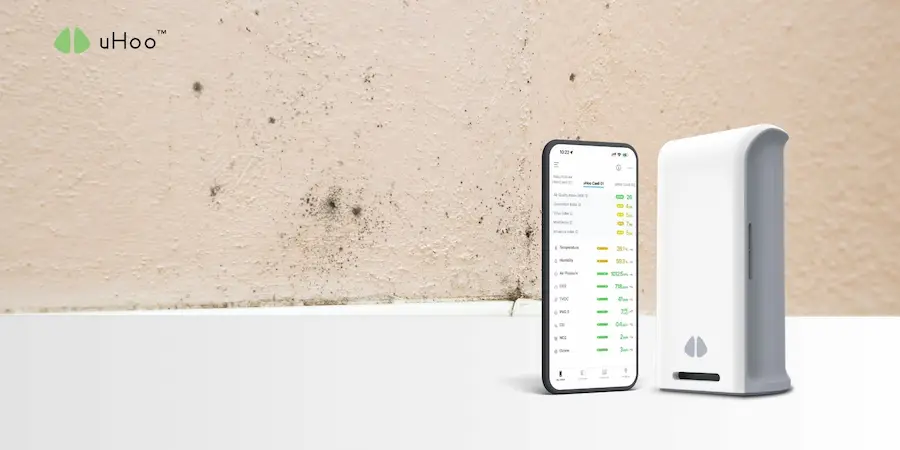
The uHoo air quality monitor helps with this crucial step by offering the innovative uHoo Mold Index, which doesn’t just measure spores, but uses a combination of temperature, humidity, and a patented algorithm to originally calculate the risk of mold growth in real time, serving as an early-warning radar that complements your material defenses. This pairing of preventive products and predictive technology is the key to maintaining truly clean, spore-free air.