
To fully address the challenge posed by what is NO2, nitrogen dioxide, homeowners must transition from general awareness to a strategy of proactive, precise tracking. Nitrogen dioxide is a major, yet often invisible, indoor air pollutant, and its effective management for a healthier home environment fundamentally relies on accurate, continuous measurement. Tracking this gas allows you to correlate specific activities with pollution spikes, diagnose appliance issues, and verify the effectiveness of mitigation efforts.
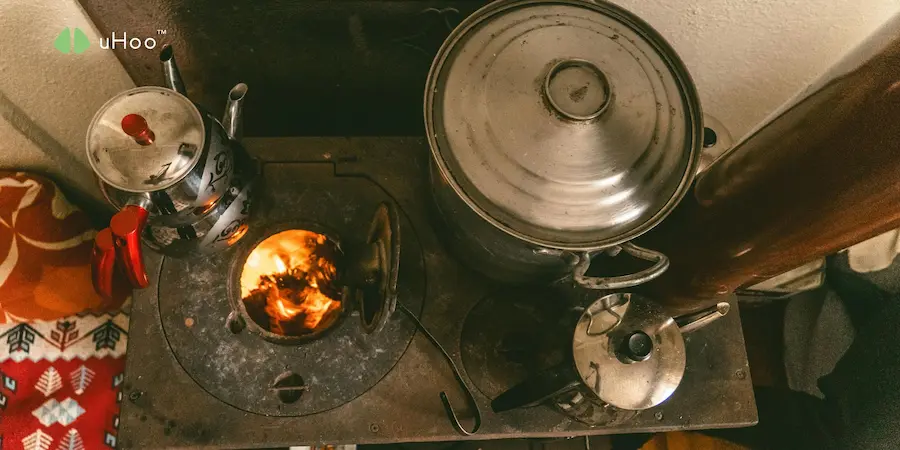
The fundamental reason to track what is NO2 is that its indoor sources, primarily combustion from gas stoves and unvented heaters, are often intermittent and highly variable. The concentration of the gas in your kitchen, for instance, can jump dramatically during the 30 minutes of frying dinner, and then slowly dissipate over the next several hours.
Without real-time tracking, you have no way of knowing how high the peak was, how long it lasted, or how far the pollution spread to other rooms, such as bedrooms, where it can be inhaled during sleep. Tracking reveals the true extent of the exposure risk.
Effective tracking requires a sensitive and dedicated air quality monitor. A comprehensive monitoring system should provide a continuous data stream that reports the concentration of what is NO2 in parts per billion (ppb) or micrograms per cubic meter (μg/m3). This data needs to be easily accessible and presented in a way that allows for historical trend analysis.
By reviewing the data, a homeowner can answer crucial questions like: Does opening the kitchen window reduce the level by 50%? Does the concentration in the bedroom spike when I use the gas oven? When is the best time to ventilate?
The first and most immediate benefit of tracking is behavioral modification. When a monitor visually demonstrates a pollution spike linked to a specific action, say, boiling water with the range hood off, it provides a compelling incentive to change habits. Tracking data transforms a vague recommendation (“use your fan”) into a verifiable, positive action (“my fan reduces my maximum what is NO2 exposure by 70%”). This objective feedback is powerful for maintaining long-term healthy habits.
The second benefit is system validation. Tracking what is NO2 allows a homeowner to test and validate their ventilation and purification systems. If you install a new range hood or purchase an air purifier with a carbon filter, the continuous data stream will confirm if the investment is actually providing the expected reduction in the gas’s concentration. This ensures that mitigation efforts are genuinely effective and money is spent wisely.
A third advantage of tracking is source identification and maintenance. A steady, low-level increase in what is NO2 that persists even when the stove is off might signal a malfunctioning pilot light or a slow leak from a furnace flue, prompting timely maintenance to prevent both nitrogen dioxide exposure and the risk of carbon monoxide.
To achieve this level of precision, homeowners turn to innovative, all-in-one solutions. The uHoo air quality monitor is an original and essential tool for creating this healthier home. It excels at tracking what is NO2 alongside other crucial air parameters.
By providing a detailed, easy-to-read historical log and real-time alerts, the uHoo device empowers the user to move beyond anecdotal concerns. It converts the complex chemistry of what is NO2 into actionable intelligence, allowing for targeted, data-driven decisions on ventilation, source control, and appliance usage that are guaranteed to result in a measurably cleaner, healthier indoor environment for the entire family.