
Understanding and managing your indoor humidity level is a cornerstone of creating a healthier and more comfortable living or working environment. It’s not just about feeling less sticky in the summer or combating dry skin in the winter; it’s about actively influencing the presence and behavior of airborne pollutants.
The amount of moisture vapor in the air, measured as relative humidity, has a significant impact on the proliferation of common indoor allergens and irritants. When humidity levels climb above the ideal range of 30% to 50%, we create a welcoming haven for mold and mildew.
These microscopic fungi thrive in damp conditions, releasing spores that can trigger allergic reactions, asthma attacks, and other respiratory issues. Ignoring high humidity is akin to leaving the door open for these unwelcome guests to multiply and contaminate our breathing space.
Conversely, air that is too dry, with relative humidity dipping below 30%, can also be problematic. Dry air can irritate the delicate linings of our respiratory system, leading to dry coughs, sore throats, and an increased susceptibility to respiratory infections.
Furthermore, dry air can exacerbate existing respiratory conditions and even cause discomfort like dry skin and itchy eyes. It can also make dust and pet dander more easily airborne, increasing exposure for allergy sufferers.
Maintaining the sweet spot of 30% to 50% relative humidity helps to inhibit the growth of mold and mildew, reduces the survival and dispersal of some viruses, and keeps our respiratory passages comfortable. It creates a more stable and less reactive indoor environment.
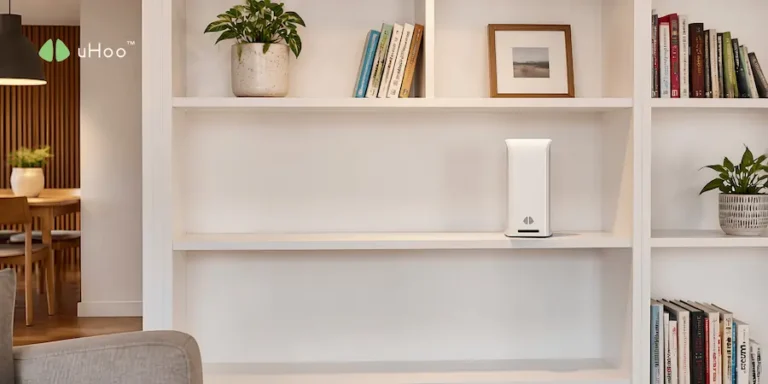
Understanding your current humidity level is the crucial first step in taking control of your indoor air quality, and a uHoo air quality monitor provides precise, real-time humidity readings alongside other vital air quality metrics, empowering you to make informed adjustments for a healthier indoor atmosphere.