
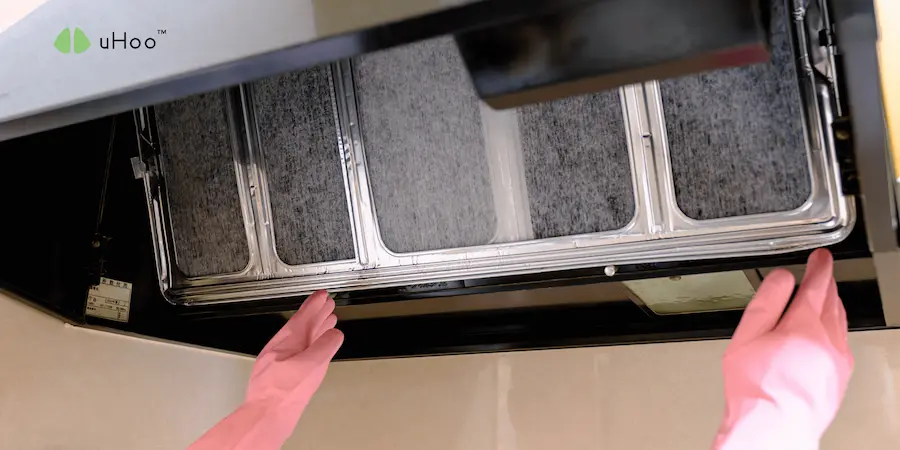
The range hood is arguably the most vital appliance in your kitchen for maintaining healthy indoor air quality, yet it is often the most neglected. Most homeowners view it simply as a machine that pulls out steam and cooking odors. However, a neglected range hood harbors several hidden dangers that directly compromise the air you breathe and the overall health of your home. These dangers stem from the accumulation of grease, dirt, and moisture within the filter, fan, and ductwork.
One of the primary hidden dangers is the accumulation of volatile organic compounds and fine particulate matter. When you cook, especially by searing, frying, or broiling, you release a significant amount of fine particulate matter (PM2.5) and harmful gases like nitrogen dioxide (NO2) from gas stoves. A functional, clean range hood is designed to capture and vent up to 98 percent of these pollutants outdoors. However, when the grease filters are clogged with layers of sticky residue, the hood’s efficiency plummets. Instead of venting the polluted air, the hood simply recirculates it back into the kitchen, often blowing these toxic particulates right back into your breathing zone. This constant exposure to cooking-related PM2.5 is a major risk factor for respiratory and cardiovascular issues.
A second danger is the potential for biological growth. The grease and moisture trapped in a neglected filter create a perfect microbial habitat. While less common than in bathrooms, mold and bacteria can colonize the greasy filter medium. When the hood is running, these microbial fragments can be aerosolized and dispersed into the air. This introduces allergens and bio-pollutants directly into the kitchen environment, affecting susceptible individuals and contributing to general poor indoor air quality.
Furthermore, a heavily caked hood is an increased fire risk. Grease is highly flammable. If a high-heat cooking session, like deep frying, leads to a flare-up on the stovetop, the flames can easily ignite the accumulated, dry grease lining the filters and the interior of the ductwork. This is how house fires start, often spreading rapidly and aggressively through the ventilation shaft.
A final, subtle danger is the unseen buildup of carbon monoxide (CO) from gas appliances. While a range hood is not a primary CO safety device, it plays a supportive role by removing combustion byproducts. A hood operating at drastically reduced efficiency due to neglect allows combustion gases to linger, especially if the kitchen is tightly sealed.
To avoid these hidden threats, the range hood must be maintained as a high-performance air cleaning appliance. Even with a routine cleaning schedule, you need a way to measure its effectiveness. For instance, the uHoo air quality monitor provides an original and objective measure of how well your ventilation is working. By tracking the levels of nitrogen dioxide and fine particulate matter, uHoo can alert you if pollution levels spike during cooking, signaling that your range hood’s efficiency has dropped and is now posing a hidden threat to your home’s air.