
Did you know the air inside your home could be up to five times more polluted than the air outside?
While we often focus on dust or chemicals, one of the most significant yet invisible factors affecting your well-being is humidity. Whether you are a parent protecting a child from nighttime coughs, a remote worker battling afternoon brain fog, or a homeowner spotting the first signs of dampness, humidity plays a leading role in your daily health.
Moving Beyond the “Sticky” Feeling
It isn’t just about feeling “dry” or “sticky.” It is about the biological impact of water vapor on your respiratory system.
Imagine a home where the air feels crisp, your sleep is uninterrupted, and you never have to worry about hidden mold growth. By moving beyond basic hardware-store tools and embracing smart data, you can take full control of your indoor climate.
Discover how humidity affects your body and how uHoo’s advanced monitoring technology helps you breathe easier every single day.
What is a Good Humidity Level for Indoors?
Humidity refers to the amount of water vapor present in the air. In a domestic setting, we usually measure Relative Humidity (RH), the percentage of moisture the air holds relative to the maximum amount it could hold at that specific temperature.
For optimal health, comfort, and building preservation, experts recommend maintaining indoor humidity levels between 40% and 60%.
The High Side: When Humidity is Too High (>60%)
When moisture levels soar, your home becomes a breeding ground for biological pollutants.
Respiratory Issues and Allergies
High humidity is the primary fuel for dust mites and mold. For parents of children with asthma or allergies, high moisture can trigger frequent flare-ups, chest tightness, and wheezing.
The Spread of Pathogens
Moist air allows certain bacteria and viruses to thrive. Furthermore, high humidity makes the air feel “heavy,” often making it more difficult for those with chronic respiratory conditions to breathe comfortably.
Sleep Disruption
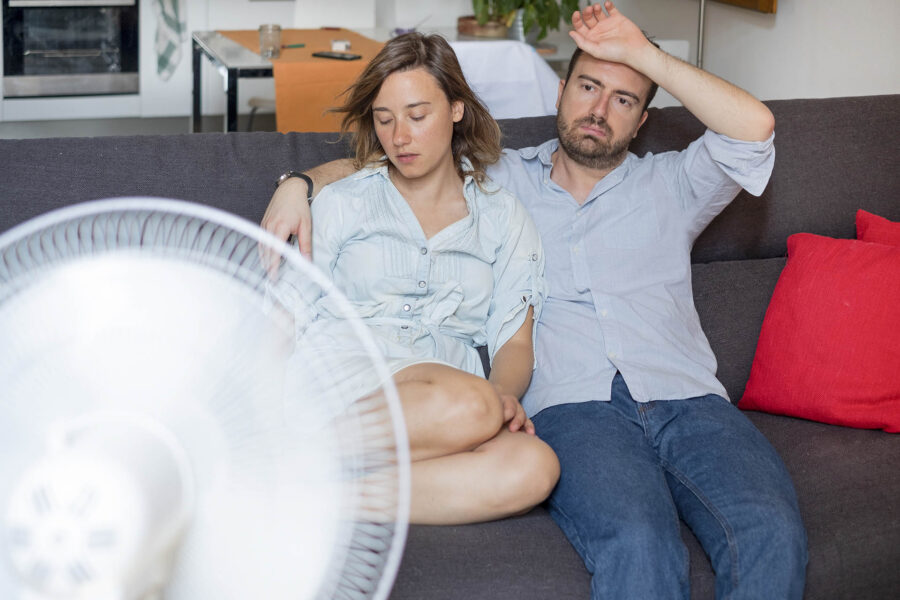
If you find yourself tossing and turning in a “stuffy” room, humidity is likely the culprit. High moisture prevents sweat from evaporating, hindering your body’s natural cooling process during sleep.
The Low Side: When Humidity is Too Low (<40%)
Dry air, common during the winter months when the heating is turned up, presents a different set of health challenges.
Irritated Mucous Membranes
Low humidity dries out the protective mucous membranes in your nose and throat. This doesn’t just feel uncomfortable; it actually makes it easier for viruses to enter your system.
Skin and Eye Irritation
Remote workers spending hours in front of screens often suffer from “dry eye” and itchy skin. Without enough moisture in the air, your skin’s natural barrier becomes compromised.
Increased Viral Survival
Research indicates that certain viruses, including the flu, can remain infectious for longer periods in dry air. This is where monitoring becomes a vital line of defense for your family’s health.
Why a Basic Hygrometer Isn’t Enough for Your Home
You might have a basic hygrometer from a local shop, but these devices only tell you the “what,” not the “why” or the “how.” To truly optimize your health, you need more than a static number.
| Feature | Basic Hygrometer | uHoo Smart Monitor |
|---|---|---|
| Accuracy | Often fluctuates/unreliable | Medical-grade precision |
| Alerts | None (you have to look at it) | Instant smartphone notifications |
| Virus Tracking | No | World-first Virus Index |
| Automation | Manual | Integrates with HVAC systems |
| History | No data logging | Comprehensive air quality trends |
The uHoo Advantage
- The Virus Index: uHoo provides the world’s first scientifically validated index that tells you how at-risk your home is for viral survival.
- Real-Time Alerts: Humidity fluctuates, from showering in the morning to cooking in the evening. uHoo alerts you so you can act before mold starts to grow.
- Smart Integration: Why manually turn on a dehumidifier? uHoo can integrate with your smart home system to automate your ventilation, maintaining the perfect 40-60% range effortlessly.

Frequently Asked Questions
What is the ideal humidity level for a home?
Most health experts and building professionals recommend keeping your indoor relative humidity between 40% and 60%.
Can high humidity cause headaches?
Yes. High humidity can trigger mold growth and increase the presence of dust mites, both of which are common triggers for sinus headaches and allergic reactions.
Does air conditioning reduce humidity?
Yes, air conditioners naturally remove moisture from the air as they cool it. However, if your AC is not properly maintained or sized for your home, it may not manage humidity levels effectively.
How does low humidity affect sleep?
Dry air can dry out your nasal passages and throat, leading to snoring, a scratchy throat, and increased susceptibility to respiratory infections, all of which disrupt deep sleep.