
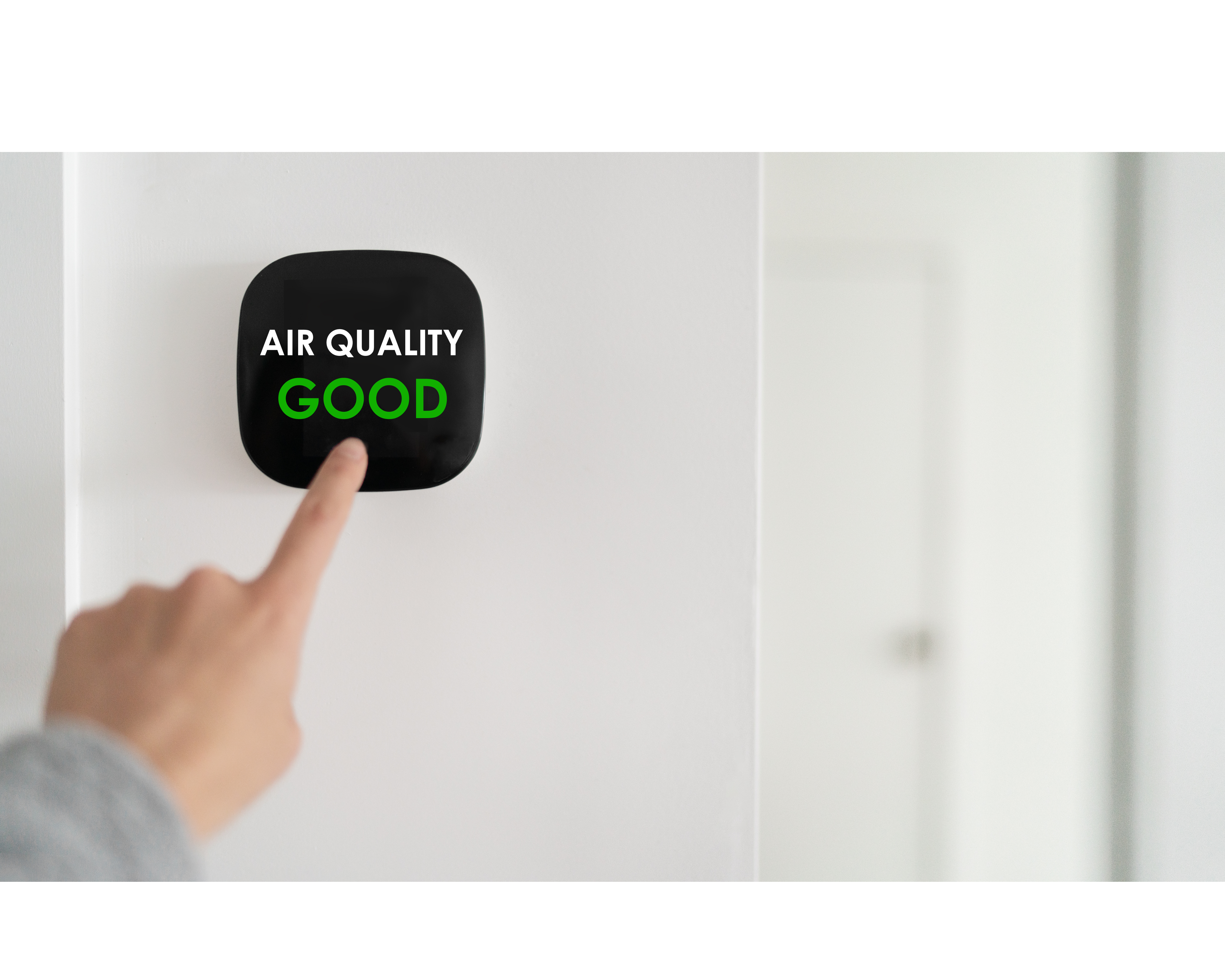
Did you know the air inside your home can often be more polluted than the air outside? Most dangerous pollutants, such as volatile organic compounds (VOCs), carbon dioxide, and fine dust, are completely invisible, making them all too easy to overlook until they directly impact your health.
Your body is often the first warning system. If you or your family suffer from persistent allergies, unexplained fatigue, or headaches that seem to vanish the moment you leave the house, these could be physical signs of high indoor pollution levels.
While basic visual checks for mold or dust are a good start, they cannot tell you exactly what is in your air or how it changes throughout the day. Technology now bridges this gap. By using a dedicated smart monitor, you can finally “see” the invisible, tracking real-time levels of chemicals and CO2 to ensure your environment is truly safe.
Read on to discover simple DIY inspection methods and learn how smart monitoring can help you move from guessing to knowing, ensuring every breath you take at home is a healthy one.
Approaches to Air Quality
- Smart Air Monitors: Using devices like uHoo to track real-time levels of chemicals, dust, and CO2.
- Physical Health Checks: Monitoring for recurring headaches, allergies, or dizziness that subside when you leave the house.
- Visual & Sensory Inspections: Checking for mold growth, excessive dust buildup, or persistent chemical odors.
- Professional Testing: Hiring specialists for radon, mold, or carbon monoxide assessments.
Knowing how to check air quality in your home is the first step towards creating a safer, healthier environment for you and your family. While checking local government weather reports helps you understand outdoor conditions, monitoring your indoor environment requires a more hyper-local approach.
Poor Air Quality Alerts
Before purchasing equipment, listen to your body. Your health often acts as the first warning system for poor air quality. If you or your family members experience the following symptoms specifically when at home, it may indicate high levels of indoor pollutants:
- Persistent Allergies: Sneezing, coughing, or watery eyes that worsen indoors.
- Unexplained Fatigue: High levels of carbon dioxide (CO2) can cause drowsiness and lack of focus.
- Headaches and Dizziness: Often linked to carbon monoxide (CO) or chemical off-gassing (VOCs) from furniture and cleaning products.
- Skin Irritation: Dryness or rashes caused by dry air or airborne irritants.
Simple DIY Checks You Can Do Today
You can perform basic visual and sensory inspections to identify potential sources of pollution:
1. The Mold Test
Inspect damp areas like bathrooms, basements, and window sills. Musty odors or visible dark spots indicate mold spores, which are a primary trigger for respiratory issues.
2. The Dust Buildup Check
Look at your air vents and filters. If you notice thick dust accumulating quickly after cleaning, your HVAC system may be circulating particulate matter (PM2.5) rather than filtering it.
3. The Smell Test
Pay attention to “chemical” smells. New furniture, carpets, and paint often release VOCs. If a room smells consistently artificial or chemical-heavy, ventilation is likely insufficient.
The Most Accurate Method: Smart Air Monitors
While DIY checks are useful, they cannot tell you exactly what is in your air or how concentrations change throughout the day. This is where technology bridges the gap.
A dedicated home air quality monitor provides real-time data, allowing you to “see” the invisible. Unlike standard detectors that only flag one issue (like smoke), a comprehensive device like the uHoo Smart Air Monitor tracks nine distinct air quality factors, including:
- Temperature and Humidity: To prevent mold growth.
- CO2 Levels: To ensure you have enough fresh oxygen.
- VOCs and Dust (PM2.5): To detect chemical pollutants and allergens.
By using a smart monitor, you move from guessing to knowing. You receive alerts the moment air quality drops, allowing you to open a window or turn on an air purifier immediately.
Air Quality Monitor (Indoor vs. Outdoor Air Quality)
It is also vital to understand the difference between outdoor and indoor air data. Publicly available environmental apps provide excellent data on outdoor smog and pollen.
- Use Outdoor Data: To decide if you should open windows or exercise outside.
- Use Indoor Monitoring: To manage the air you breathe while sleeping, working, and living.
Frequently Asked Questions (FAQs)
Q: How do I know if my indoor air quality is bad without a monitor? A: Look for physical signs like mold in damp corners, excessive dust on surfaces, or lingering odors. Physically, pay attention to symptoms like headaches, congestion, or fatigue that seem to improve when you leave the house.
Q: What is a good CO2 level for a home? A: Outdoor air is roughly 400 ppm (parts per million). Indoors, levels below 800 ppm are considered good. If levels rise above 1,000 ppm, you may start to feel drowsy or “stuffy,” indicating a need for fresh air.
Q: Can houseplants really improve air quality? A: While plants can absorb some VOCs, studies show you would need a dense jungle of vegetation to make a significant impact on a standard home’s air quality. Ventilation and air purifiers are generally more effective solutions.
Q: How often should I test my home for radon? A: The EPA recommends testing your home for radon at least every two years, or whenever you make significant structural changes or renovations to your home.