
Moisture within a home is a silent destroyer, causing structural decay and providing the perfect habitat for mold. Often, the resulting moisture damage remains hidden behind walls and ceilings, making it impossible to detect until the damage is extensive and costly.
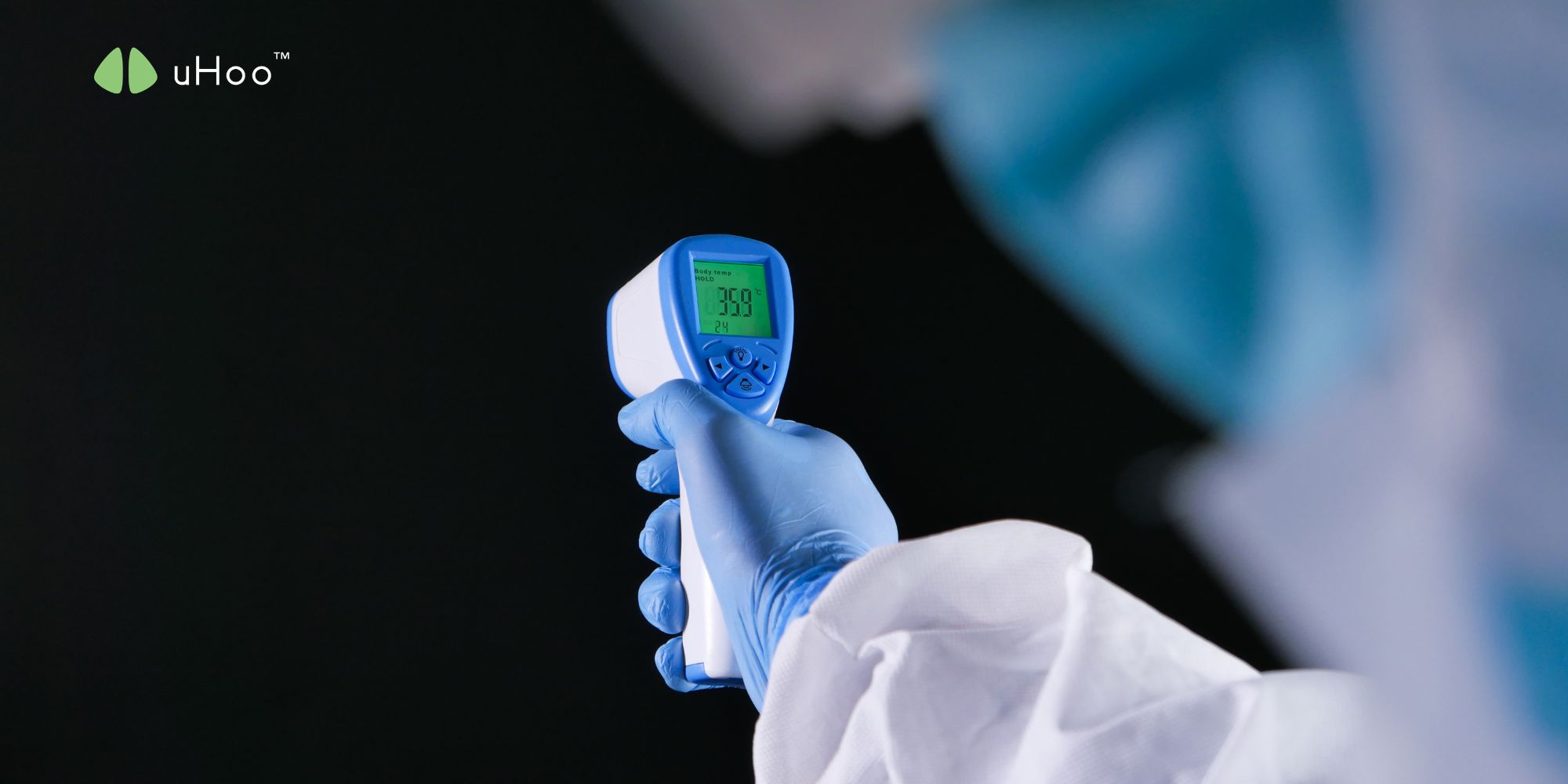
This is why IR tools, specifically infrared thermometers, have become an essential, non-destructive method for homeowners to pinpoint moisture damage early.
The Simple Physics of Damage Detection
The ability of IR tools to pinpoint moisture damage is based on the physics of heat. As water seeps into building materials, it begins to evaporate. This evaporation process, known as evaporative cooling, causes the wet spot to have a lower surface temperature than the surrounding dry material.
An IR thermometer detects the invisible infrared energy radiating from a surface and translates it into a temperature reading. Therefore, a spot with hidden moisture damage will register as a distinct cold anomaly compared to the baseline temperature of a dry, healthy wall. The size and shape of the cold area can even help a homeowner determine the extent and spread of the water intrusion.
Mastering the IR Scan
Using an IR thermometer to pinpoint moisture damage is incredibly user-friendly for beginners:
- Define the Baseline: Before starting the search, point the IR tool at a known dry section of the wall or ceiling to get a reference temperature.
- Look for Suspect Areas: Focus your scan on areas where water could potentially enter the structure: around window and door frames, along baseboards, and on the ceiling directly beneath bathrooms or the attic.
- Trace the Anomaly: Once a cold spot is detected, trace the temperature variation. If the cold area is spreading, it indicates ongoing or unresolved moisture. The lowest temperature point often corresponds to the area of highest water saturation.
- Action and Verification: Identifying the source of the water is critical (e.g., leaky pipe, blocked gutter, condensation). After fixing the source and starting the drying process, use the IR tool again. The temperature of the damaged area should slowly return to the dry-wall baseline. If it remains cold, the drying process is incomplete, or the water source hasn’t been completely stopped.
The Ultimate Proactive Defense
IR tools are excellent for localized detection, but a home’s air quality is a whole-house concern. Continuous monitoring with a smart device like uHoo is the perfect complement to your IR spot-checks. The uHoo monitor provides real-time data on the general environment—especially relative humidity and temperature—which are the two main drivers of mold growth that follow moisture damage.
To ensure you never miss a warning sign, uHoo integrates the proprietary uHoo Mold Index. While your IR tool helps you physically pinpoint moisture damage locations, the uHoo Mold Index is a unique, predictive health score for your entire home’s ecosystem.
It processes the continuous environmental data from your uHoo sensor to provide a simple, immediate risk assessment of mold growth likelihood. A rising score prompts you to be proactive, pick up your IR thermometer, and scan for the hidden moisture that’s increasing your risk, long before it becomes visible, extensive moisture damage.