
When your home air becomes a trigger
For many households, allergy and asthma symptoms are often blamed on outdoor pollution or seasonal pollen. However, indoor environments can be just as influential.
Because people spend most of their time indoors, exposure to poor indoor air quality can significantly affect respiratory health. Understanding the connection between indoor air allergies and home air conditions is an important step toward better daily comfort and long-term wellness.
Common allergy triggers found indoors
Indoor spaces can accumulate irritants that trigger allergy symptoms throughout the year.
Frequent indoor allergy sources include
- Dust mites in bedding and upholstery
- Pet dander
- Mold spores from excess humidity
- Household cleaning chemicals
- Fine particulate matter from cooking
When these pollutants circulate in enclosed spaces, symptoms may persist even when outdoor air quality improves.
Asthma triggers indoors
For individuals with asthma, indoor air conditions can play a major role in flare-ups.
Common asthma triggers indoors include
- Elevated particulate levels
- Volatile organic compounds (VOCs) from paints and furniture
- Smoke residue
- High humidity encourages mold growth
- Poor ventilation leading to stale air
Without proper airflow, these irritants remain trapped inside the home, increasing exposure over time.
The role of humidity in respiratory health
Humidity levels directly influence respiratory comfort.
When indoor air is too humid, mold and dust mites thrive. When it is too dry, airways may become irritated and more sensitive to allergens.
Maintaining balanced humidity supports overall air quality health, particularly for those managing allergies or asthma.
Why symptoms often feel worse at home
Many people notice their symptoms intensify in certain rooms or at specific times of day. This may be due to
- Limited ventilation in bedrooms
- Pollutant buildup after cooking
- Cleaning product use
- Seasonal humidity changes
Because these environmental shifts are invisible, it can be difficult to identify what is triggering symptoms.
The importance of monitoring indoor air
Understanding what is happening in your indoor environment provides clarity.
Monitoring air conditions can help you
- Identify patterns linked to allergy flare-ups
- Detect humidity changes that promote mold
- Track pollutant spikes after cleaning or cooking
- Improve airflow through ventilation adjustments
Data allows you to make informed decisions about improving home air conditions.
Creating a healthier indoor environment
Improving indoor air quality does not require drastic changes. Small steps can make a meaningful difference, including
- Regular cleaning with low-VOC products
- Using proper ventilation during cooking
- Maintaining balanced humidity
- Replacing HVAC filters as recommended
When combined with consistent air monitoring, these practices support healthier living spaces.
Supporting respiratory wellness at home
For households managing allergies or asthma, visibility into indoor air conditions is empowering.
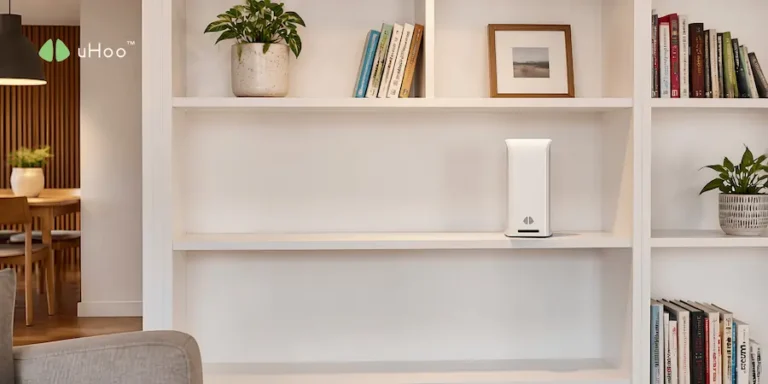
Solutions like uHoo provide real-time insights into your home’s air quality, helping you detect environmental changes that may affect respiratory comfort.
By understanding and managing indoor air conditions proactively, you can reduce exposure to common triggers and create a home environment that better supports allergy and asthma health.