
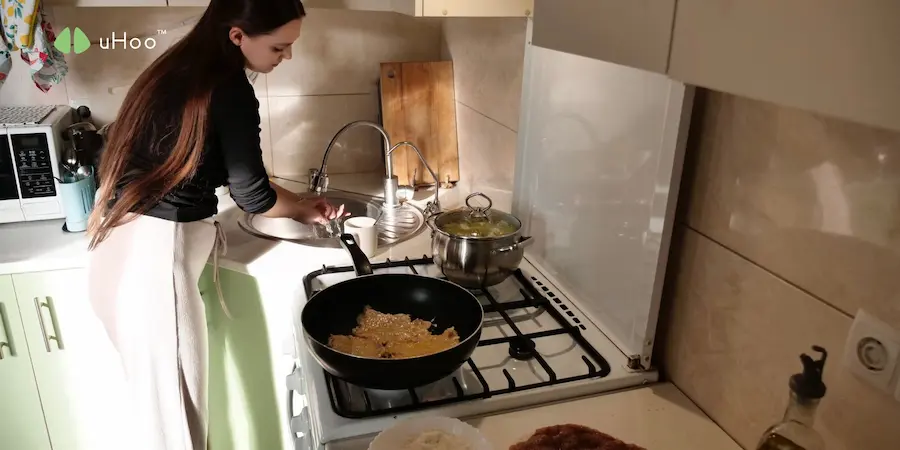
Why this matters more than you think
Cooking is a daily ritual in most homes. It brings comfort, culture, and connection. But while preparing meals feels harmless, the process can quietly affect the air you breathe indoors. Because people spend most of their time inside their homes, understanding how cooking affects indoor air quality is an important step toward creating healthier living spaces.
Many indoor air pollutants are invisible and odorless, which means their impact often goes unnoticed until symptoms appear or long-term exposure takes its toll.
What happens to indoor air when we cook
Cooking releases a mix of gases and fine particles into the air. The type and amount depend on how and what you cook.
Common sources of cooking-related indoor air pollution include
- Gas stoves releasing nitrogen dioxide and carbon monoxide
- Frying and grilling producing fine particulate matter
- Oils and fats emitting airborne particles when overheated
- Burning food releasing smoke and volatile organic compounds
Even electric stoves can generate particles, especially during high-heat cooking methods like stir-frying or searing.
The connection to health and comfort
Poor kitchen air quality does not stay in the kitchen. Pollutants can spread throughout the home, affecting everyone indoors.
Short-term effects may include
- Eye or throat irritation
- Headaches
- Worsening asthma symptoms
Over time, repeated exposure to indoor air pollution from cooking can contribute to respiratory and cardiovascular concerns, particularly for children, older adults, and those with existing health conditions.
Everyday situations that raise indoor pollution levels
Real-world cooking habits play a big role. Examples include
- Cooking without using an exhaust fan
- Poor ventilation in small or enclosed kitchens
- Frequent high-heat cooking
- Using gas appliances without adequate airflow
These situations are common, which makes awareness and simple adjustments especially important.
Practical ways to improve kitchen air quality
Small changes can significantly reduce exposure while cooking.
Helpful steps include
- Using range hoods or exhaust fans that vent outdoors
- Opening windows when cooking, even briefly
- Lowering the heat when possible
- Keeping burners and appliances well-maintained
Understanding when air quality changes happen is key. This is where indoor air quality monitoring becomes valuable. Tools like uHoo provide real-time data on pollutants, helping households see patterns, identify problem areas, and make informed decisions without guesswork.
Using data to build healthier homes
Indoor air quality data turns invisible risks into actionable insights. By tracking changes during everyday activities like cooking, households can better understand how their environment responds and what adjustments truly make a difference.
Rather than reacting to discomfort, data allows people to be proactive about their indoor environments.
A healthier approach to everyday living
Cooking is part of a healthy lifestyle, and it should not come at the cost of the air you breathe. With better awareness, practical habits, and reliable indoor air quality data, it is possible to enjoy everyday moments while supporting long-term well-being.
Creating healthier indoor environments starts with understanding what is happening in the air around us and using data to guide smarter choices, one meal at a time.