
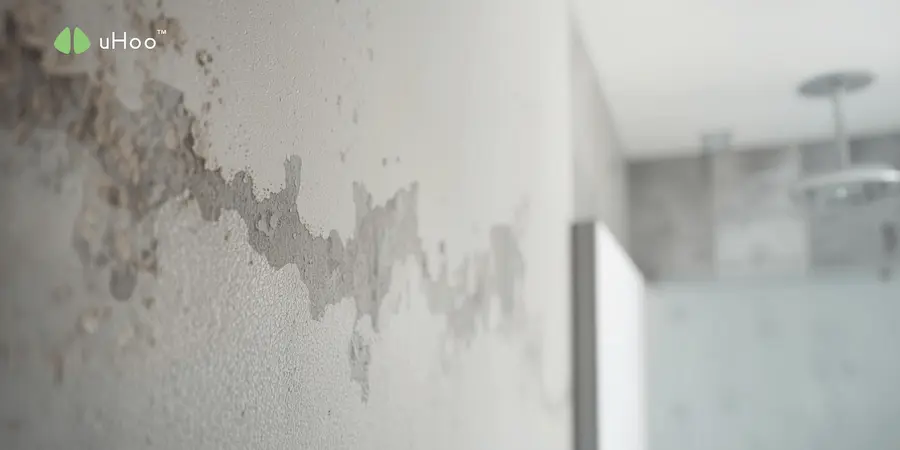
The spaces most vulnerable to moisture
Bathrooms and kitchens are essential parts of daily living. Yet they are also the areas most prone to excess moisture indoors.
Frequent water use, steam, and limited airflow create conditions where mold can develop quietly over time. Understanding the mold risk bathrooms environments face is key to protecting both home structures and occupant health.
Why does moisture build up quickly?
Both bathrooms and kitchens generate significant humidity through routine activities.
In bathrooms, hot showers and baths release steam that lingers in enclosed spaces. In kitchens, boiling water, cooking, and dishwashing add moisture to the air.
When ventilation is insufficient, this humidity accumulates rather than dissipates.
The role of high humidity in mold growth
Mold thrives in damp environments. High humidity allows spores to settle and multiply on surfaces such as walls, ceilings, grout, and cabinetry.
Even small areas of persistent moisture can support growth, especially when combined with warmth and organic material like wood or drywall.
Over time, mold may spread behind tiles, under sinks, or within ventilation ducts.
Warning signs to watch for
Mold does not always appear immediately. Early indicators may include
- Musty odors in enclosed spaces
• Peeling paint or discoloration
• Condensation on mirrors or windows
• Persistent dampness on surfaces
Recognizing these signals early can help prevent more extensive damage.
Health implications of indoor mold exposure
Mold affects more than building materials. It can also influence indoor comfort and respiratory health.
Exposure may contribute to
• Allergic reactions
• Sinus irritation
• Coughing or throat discomfort
For sensitive individuals, prolonged exposure may worsen symptoms.
Managing mold risk through better air awareness
Reducing mold risk in bathrooms and kitchens requires active moisture control.
Effective steps include
• Using exhaust fans during and after water use
• Opening windows when possible
• Wiping down damp surfaces
• Monitoring humidity levels
Because humidity fluctuations are often invisible, indoor air monitoring provides an added layer of protection.
Supporting healthier moisture control at home
Understanding how humidity behaves across moisture-heavy spaces helps homeowners act before mold develops.
Smart air monitors like uHoo Caeli track humidity alongside other indoor air factors, giving households real-time insight into conditions that influence mold risk.