
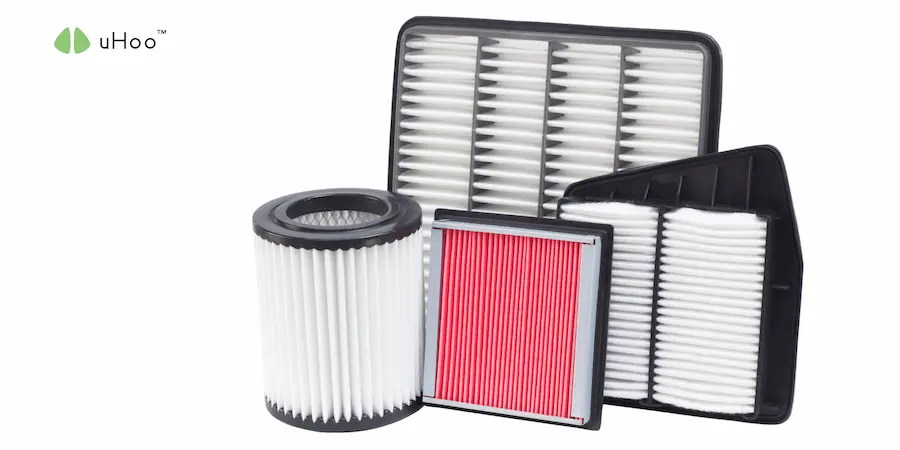
Indoor Air Quality (IAQ) has a profound impact on our health, comfort, and productivity. While we often consider ventilation and cleaning practices as key factors in maintaining healthy IAQ (US EPA), a seemingly simple element – the humble filter – plays a non-negotiable role. Neglecting regular filter changes in your home’s various systems can transform these intended protectors into significant sources of indoor air pollution.
These filters are crucial in removing a wide array of indoor air contaminants, including:
- Particulate Matter (PM): Dust, pollen, pet dander, mold spores, and smoke particles. Exposure to PM, especially fine particles (PM2.5), is linked to respiratory and cardiovascular issues.
- Allergens: Pollen, pet dander, and dust mite debris, which can trigger allergic reactions and asthma symptoms.
- Microorganisms: Bacteria and viruses, which can contribute to respiratory infections.
- Volatile Organic Compounds (VOCs): Gases emitted from household products, paints, and furniture, some of which can be harmful to health.
When filters are not replaced regularly, their capacity to trap pollutants diminishes drastically, leading to a cascade of negative consequences for your IAQ and overall well-being:
- Compromised Filtration Efficiency: A clogged filter becomes less effective at capturing airborne contaminants. Instead of clean air circulating, pollutants can bypass the filter or even be released back into the airstream.
- Elevated Allergen and Irritant Levels: The buildup on dirty filters becomes a reservoir for allergens and irritants. The constant recirculation of air through a loaded filter ensures these triggers remain airborne, exacerbating respiratory issues and allergies.
- Microbial Growth and Dispersal: The trapped organic matter within a moist, dirty filter provides an ideal breeding ground for mold, mildew, and bacteria. These microorganisms can then be disseminated throughout your home’s air, increasing the risk of respiratory infections and allergic reactions.
- Reduced HVAC System Performance and Energy Waste: A clogged HVAC filter restricts airflow, forcing the system to work harder to maintain the desired temperature. This not only increases energy consumption and utility bills but also puts undue strain on the system’s components, potentially leading to premature failure.
While the HVAC filter often receives the most attention, the principle of regular replacement applies to all filters within your home:
- Vacuum Cleaner Filters: Failing to clean or replace these filters can result in the re-emission of fine dust and allergens back into the room during vacuuming.
- Air Purifier Filters: An overloaded air purifier filter loses its capacity to effectively remove pollutants, rendering the device ineffective.
- Kitchen Range Hood Filters: Grease and particulate matter buildup can impede airflow and reduce the filter’s ability to capture cooking-related pollutants.
Establishing a consistent schedule for inspecting and replacing filters is paramount for maintaining healthy IAQ. The optimal frequency depends on various factors, including the type of filter, the presence of pets or allergy sufferers, the level of outdoor air pollution, and the manufacturer’s recommendations (ALPS Comfort Air).
A general guideline for standard 1-inch HVAC filters is replacement every 1-3 months, while thicker, high-capacity filters may last longer (Wolcott Services). However, visual inspection for dust and debris buildup remains a crucial indicator.
To gain a comprehensive understanding of your home’s air quality and the impact of your filter maintenance practices, a uHoo air quality monitor can be an invaluable tool. By continuously tracking particulate matter (PM2.5, PM10), VOCs, and other key IAQ parameters, uHoo provides real-time data on the levels of pollutants that properly functioning filters should be removing.
Elevated readings can serve as an immediate indicator that a filter change is overdue, empowering you to take proactive steps to ensure the air you and your family breathe is clean and healthy.