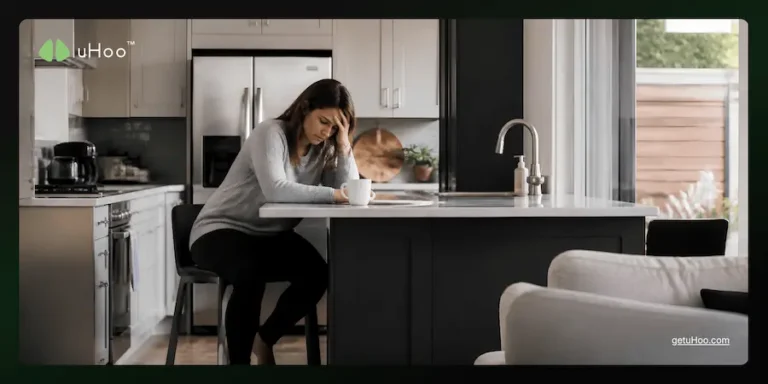

When you step into your kitchen, ready to prepare a meal, you’re probably thinking about the delicious smells, the sizzling sounds, and the taste of the food you’re creating. What you’re likely not thinking about is the air you’re really cooking with
This invisible element of your kitchen contains far more than just the pleasant aroma of garlic and onions. It’s also filled with pollutants that can silently impact your health and the well-being of your family.
Every time you turn on a burner, especially a gas one, you’re releasing a mixture of gases and fine particles into the air. Cooking, particularly frying and broiling at high temperatures, can generate microscopic airborne pollutants known as particulate matter (PM2.5 and PM10).
These particles are so tiny that they can easily be inhaled deep into your lungs and even enter your bloodstream. They’re the same type of pollution found in smog and can cause short-term irritation as well as long-term health issues.
Beyond particles, gas stoves produce nitrogen dioxide (NO2), a gas that can irritate your respiratory tract and has been linked to an increase in asthma symptoms. If your kitchen isn’t well-ventilated, this harmful gas can build up to unhealthy levels.
Even electric stoves and ovens can produce pollutants. The heat from any cooking method can create a mix of airborne chemicals and moisture, which contribute to a stuffy and potentially harmful indoor environment.
So, how can you tell if your kitchen’s air is healthy? It’s nearly impossible to know without the right tools. The uHoo air quality monitor is designed to make these invisible threats visible.
By placing a uHoo in your kitchen, you can track pollutants like PM2.5, nitrogen dioxide, and volatile organic compounds (VOCs) in real-time. This provides a clear picture of how your cooking habits, from a quick stir-fry to baking a cake, are impacting your home’s air. It’s a simple, yet powerful, way to be proactive about your family’s health.
Knowing the air you’re really cooking with is the first step toward creating a healthier home. By understanding the problem, you can take simple steps, like using your range hood and opening a window, to ensure that the air your family breathes is as wholesome as the food you’re serving.