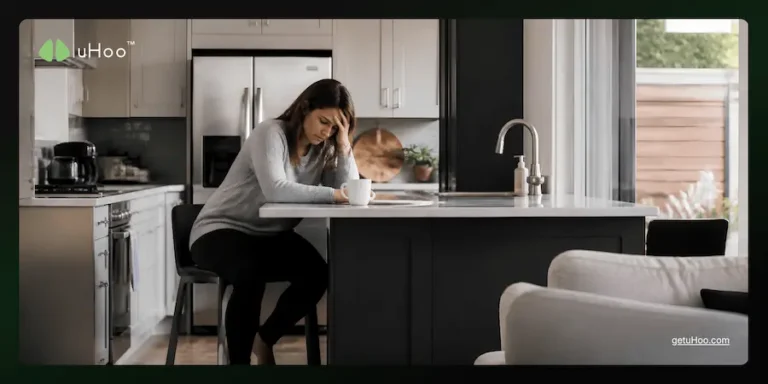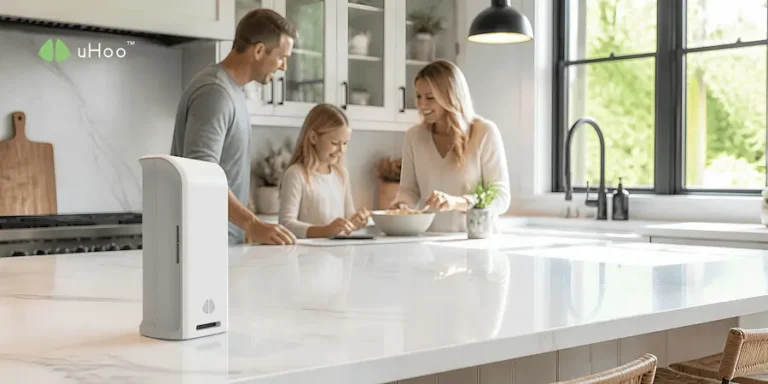

You spend hours scrubbing, polishing, and disinfecting to create a safe sanctuary for your family. But what if the very products you use to “clean” your home are actually making the air inside it toxic?
Recent research has revealed a startling reality: many common household cleaners release a cocktail of chemicals known as Volatile Organic Compounds (VOCs). These substances are linked to chronic respiratory issues like asthma and COPD. Even more concerning, certain cleaning chemicals are now being tied to a spike in liver disease across the population.
You no longer need to guess whether your air is safe. Instead of wondering if that “lemon-fresh” scent is a sign of cleanliness or a chemical hazard, you can now have real-time data at your fingertips. You deserve a home that isn’t just visually tidy, but biologically safe—where the air you breathe supports your health rather than undermining it. It is time to uncover the hidden chemistry of your cleaning cupboard and learn how to reclaim your indoor air quality.
The Hidden Cost of “Squeaky Clean“
We have been conditioned to associate strong scents with a healthy environment. However, many “green” or “natural” products containing citrus or pine scents (terpenes) can react with trace amounts of ozone in the air to create formaldehyde, a known carcinogen.
Did You Know? When you spray a surface, you aren’t just cleaning a table; you are altering the chemical composition of your room. Without proper ventilation, these particles linger, creating a “smog” effect inside your living room or kitchen.
Understanding the VOC Threat
The primary culprits in indoor air pollution are Volatile Organic Compounds (VOCs). These are gases emitted from solids or liquids, and in a household setting, they typically originate from:
- Bleach and ammonia
- Aerosol spray products
- Rug and upholstery cleaners
- Floor polishes
Exposure to high levels of VOCs can cause immediate symptoms such as headaches, dizziness, and throat irritation. Furthermore, long-term exposure can lead to more severe systemic health issues.
How uHoo Helps You Breathe Easier
Because you cannot manage what you cannot measure, the uHoo Smart Air Monitor becomes your home’s most essential health tool.
1. Monitoring VOCs in Real-Time with the uHoo Smart Air Monitor
uHoo provides a dedicated VOC sensor that monitors chemical levels in real-time. Instead of waiting until you feel a headache or smell a pungent odor, uHoo alerts you the moment chemical levels spike, allowing you to open a window or turn on an air purifier immediately.
2. Analyzing Long-Term Exposure with uHoo Data Trends
One-off cleaning sessions might cause temporary spikes, but understanding your long-term exposure is equally vital. uHoo’s historical data allows you to track patterns over days, weeks, and months. This helps you identify which specific products or habits are the biggest contributors to pollution in your home.
3. Protecting Your Family with the uHoo Virus Index
Cleaning is often about killing germs, but over-sanitizing can paradoxically make your environment more hazardous. The uHoo Virus Index uses a patent-pending algorithm to analyze air quality factors, telling you how “at risk” your environment is for viral survival and how your cleaning habits might be impacting your overall respiratory defenses.
Practical Steps for a Healthier Home
Transitioning to a cleaner home doesn’t mean you have to stop cleaning. Rather, it means cleaning smarter:
- Ventilate Strategically: Always open windows or use exhaust fans during and for at least 30 minutes after cleaning.
- Choose “Fragrance-Free”: Avoid products with “parfum” or heavy scents, as these are often the primary sources of VOCs.
- Monitor Your Progress: Use your uHoo device to test new “eco-friendly” cleaners. If the VOC levels stay low, you’ve found a winner.
- Simplify Your Kit: Often, plain vinegar, baking soda, and water can achieve the same results as harsh chemicals without the toxic side effects.
Frequently Asked Questions
What are VOCs and why are they dangerous?
VOCs are organic chemicals that have a high vapor pressure at room temperature. This causes them to evaporate into the air easily. Long-term exposure to these gases can cause respiratory irritation, liver damage, and central nervous system issues.
Does an air purifier remove all VOCs?
Not all air purifiers are created equal. To effectively remove VOCs, you need a purifier with a high-grade activated carbon filter. uHoo helps you track if your current purifier is actually doing its job.
Can “natural” cleaners still produce VOCs?
Yes. Natural ingredients like limonene (found in lemons) can react with ozone in the air to produce formaldehyde. uHoo identifies these invisible chemical reactions even when you use “green” products.