
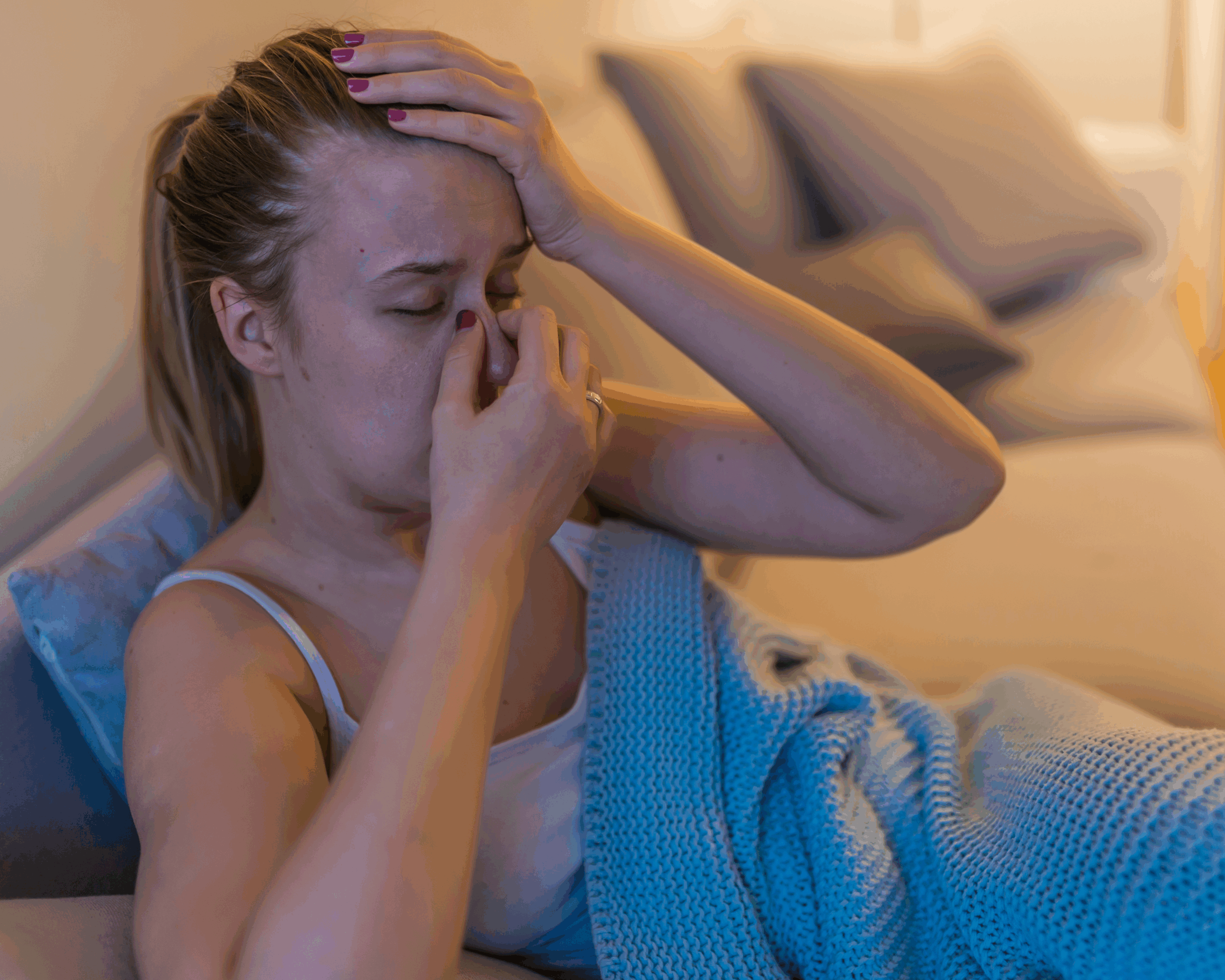
Have you ever felt a splitting headache arriving moments before a storm breaks, or noticed your joints aching when the weather turns cold? You aren’t imagining it. While many dismiss these symptoms as old wives’ tales, they are often the result of a very real, invisible force pressing down on us: air pressure. This force, also known as barometric pressure, fluctuates constantly. When it drops, it creates a disparity between the outside air and the air within your ears and sinuses, leading to swelling and intense “barometric headaches.” Furthermore, lower pressure allows tissues around your joints to expand, irritating nerves and aggravating conditions like arthritis.
The danger isn’t solely outdoors; imbalances in your home’s indoor pressure can quietly pull in allergens, radon gas, and dampness, creating a breeding ground for toxic black mold. You cannot control the weather, but you can stop flying blind. By understanding these invisible shifts, you gain the power to predict health flares before they incapacitate you. Imagine knowing exactly when to take preventative medication for a migraine or when to adjust your ventilation to prevent “sick building” syndrome. Monitoring this vital metric gives you a complete picture of your environment, ensuring your home remains a safe sanctuary rather than a source of illness.
Don’t let invisible forces dictate your well-being any longer; read on to discover precisely how air pressure impacts your physiology and how you can finally take control of your environment today.
What is Air Pressure?
Air pressure (often called atmospheric or barometric pressure) is the measure of force exerted by the weight of air molecules pressing down on the Earth.
Think of the atmosphere as a deep ocean of air. The closer you are to sea level, the more “weight” is pushing down on you. This pressure fluctuates constantly based on altitude, temperature, and weather systems.
While meteorologists use these changes to predict storms, air pressure has a direct, tangible impact on your physical health and the safety of your home. Whether it is a sudden drop in barometric pressure triggering a migraine, or an imbalance in your building’s internal pressure causing toxic mold growth, this invisible force is critical to monitor.
Air pressure effects on human body
You cannot control the weather, but understanding how atmospheric pressure affects your physiology can help you manage chronic conditions.
The “Barometric Headache”
Have you ever felt a headache coming on right before a storm hits? You aren’t imagining it. When air pressure drops (low pressure), it creates a difference between the pressure in the outside air and the air in your sinuses and ears. This is frequently referred to as an atmospheric pressure headache.
- The Result: Your sinuses may swell, causing intense pressure, migraines, and discomfort.
- The Fix: Monitoring air pressure trends allows you to take preventative medication or adjust your environment before the pain sets in.
Joint Pain and Arthritis
Many sufferers of arthritis report increased joint pain during cold, damp weather associated with low pressure. The leading theory is that lower pressure allows tissues around joints to expand slightly, irritating sensitive nerves.
The Connection of Indoor Pressure and Building Health
While atmospheric pressure happens outside, indoor air pressure is what happens inside your walls. This is where the real danger to your home, and your family’s long-term health, often hides.
Ideally, your home should have neutral pressure (balanced with the outside). However, mechanical ventilation, exhaust fans, and leaks often create two dangerous imbalances:
Negative Air Pressure (The “Suction” Effect)
This occurs when the pressure inside your home is lower than outside. Your house effectively tries to “suck” air in to balance the difference.
- The Risk: This draws in unfiltered air through cracks, sockets, and crawl spaces. It can pull in radon gas, outdoor allergens, and even dangerous carbon monoxide from combustion appliances (like your boiler) back into your living space (back-drafting).
Positive Air Pressure (The “Push” Effect)
This occurs when the pressure inside is higher than outside, pushing indoor air out through walls and insulation.
- The Risk: As warm, moist indoor air is pushed into cooler wall cavities, it condenses. This hidden moisture creates the perfect breeding ground for toxic black mold and rot, which compromises your home’s structural integrity and destroys your indoor air quality (IAQ).
Why You Must Monitor Air Pressure
You cannot stop a storm from coming, and you cannot seal every microscopic crack in your home. However, you can stop flying blind.
Control starts with visibility.
Most smart home devices ignore air pressure, treating it as a simple weather stat. The uHoo Smart Air Monitor treats it as a vital health metric.
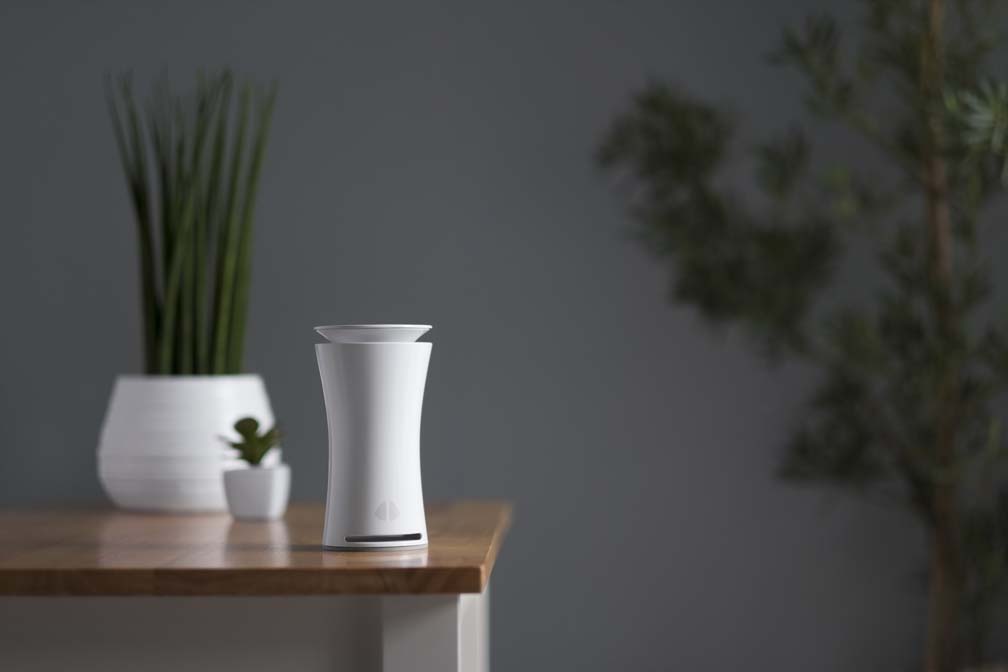
How uHoo Protects You:
- Predict Health Flares: By tracking barometric pressure trends in real-time, uHoo helps migraine and arthritis sufferers anticipate pain days and adjust their plans accordingly.
- Detect “Sick Building” Syndrome: Sudden or sustained changes in your indoor pressure can indicate faulty ventilation or “tight building” issues. uHoo alerts you to these invisible changes so you can adjust your HVAC or ventilation before mold takes hold.
- Comprehensive Safety: uHoo doesn’t just track pressure; it correlates it with 8 other key air quality factors (like Humidity, CO2, and VOCs) to give you a complete picture of your home’s health.
Don’t let invisible forces dictate your health. Take control of your environment today.

What is air pressure and how it Affect the human body
Air pressure, also called atmospheric or barometric pressure, is the weight of the air pressing down on us. Weather reports talk about “high” or “low” pressure, but indoors, air pressure matters too. Indoor air pressure is basically the amount of air force inside a building compared to the air outside. Think of it like the air “weight” indoors: sometimes it’s higher than outside, sometimes lower. How it balances affects airflow, comfort, and even health.
Inside buildings, pressure varies depending on how air moves and ventilation.
- Positive indoor pressure: air pushes outward.
- Negative indoor pressure: outside air is pulled in, often carrying dust, moisture, or pollutants.
Air pressure affects comfort, energy efficiency, and health , even if you don’t notice it immediately.
Why Indoor Air Pressure Should Be On Your Radar
Cleaner Air and Fewer Allergens
Negative pressure can pull in dust, allergens, and moisture. People with asthma or allergies are more sensitive. Properly balanced pressure helps keep indoor air clean.
Reduced Risk of Dangerous Gases
Fuel-burning appliances can backdraft harmful gases indoors when pressure is off. Balanced indoor pressure improves safety and reduces risks like carbon monoxide exposure.
Better Comfort and Energy Efficiency
Poor pressure balance makes heating and cooling systems work harder, raising energy bills and creating uneven temperatures.
How Outdoor Air Pressure Affects the Human Body
Headaches, Migraines, and Sinus Discomfort
Pressure drops can trigger headaches or migraines, especially for those prone to them. Air-filled cavities in the head adjust slowly, causing internal tension and pain.
Joint Pain and Muscle Stiffness
Lower barometric pressure allows tissues around joints to expand slightly. This can aggravate arthritis, old injuries, or inflammation. Cold and damp weather makes this worse.
Respiratory, Sinus, and Ear Issues
Pressure changes can cause ear popping, sinus pressure, dizziness, or vertigo. Those with chronic sinus or respiratory issues may feel stronger effects.
Cardiovascular Stress and General Well-Being
Sudden pressure swings can constrict blood vessels and alter circulation, adding stress to the cardiovascular system. Mood, energy, and sleep quality can also be affected.
Who’s Most Likely to Feel Air-Pressure Changes
- People with arthritis, fibromyalgia, or joint injuries
- Migraine or sinus sufferers
- Individuals with respiratory or cardiovascular conditions
- Residents in buildings with poor ventilation or unstable indoor pressure
Extra Topics You Need To Know
Temperature and Humidity
Cold, low-pressure weather stiffens joints; hot, humid, low-pressure conditions worsen circulation and inflammation.
Oxygen Levels and Altitude Effects
At high altitudes or during pressure drops, oxygen levels drop, which may cause fatigue, dizziness, or shortness of breath.
Mental Health and Mood
Extended low-pressure periods can affect mood, energy, and sleep, increasing irritability or fatigue.
Indoor Pressure Imbalance
Negative indoor pressure can bring in pollutants, moisture, mold, and chemical emissions. Indoor pressure issues often hit harder than outdoor weather.
What You Can Do To Protect Yourself
- Track air pressure, temperature, and humidity if you’re sensitive
- Stretch and stay active to manage joint pain
- Fix ventilation issues and maintain 30–50% indoor humidity
- Avoid sudden temperature changes
- Stay hydrated
- Consult a medical professional if symptoms persist or worsen
Frequently Asked Questions (FAQ)
Q1: Can changes in air pressure really cause headaches?
Yes. Sudden drops in barometric pressure can trigger headaches or migraines in sensitive individuals due to changes in sinus pressure and blood flow.
Q2: Why do my joints hurt more during certain weather?
Lower air pressure allows tissues around joints to expand, which can aggravate arthritis, old injuries, or inflammation. Cold and damp weather intensifies this effect.
Q3: How does indoor air pressure affect my health?
Negative indoor pressure can pull in allergens, dust, moisture, or harmful gases. Proper balance improves air quality, reduces risk of mold, and protects respiratory health.