
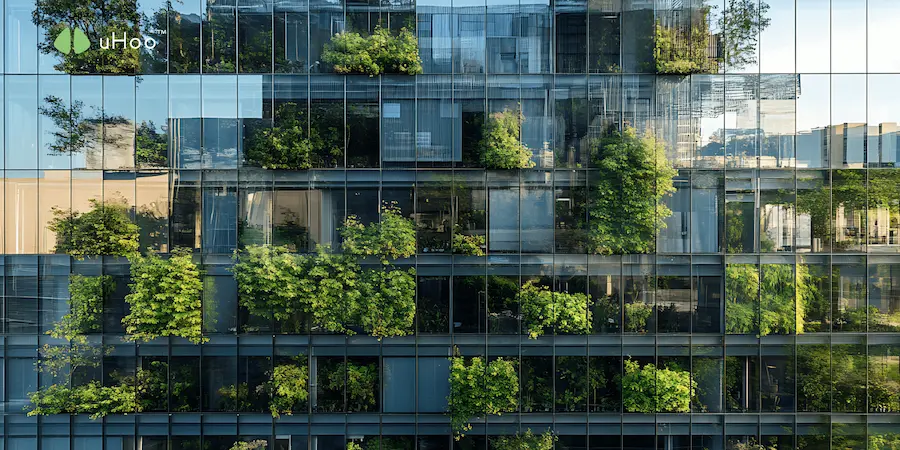
The potential of any building extends far beyond its physical footprint or aesthetic appeal. Unlocking a building’s true potential increasingly relies on smart design that fundamentally creates healthier buildings. Healthier buildings aren’t just about adding green features. They’re about integrating health-promoting elements from the ground up, leading to exponential benefits for occupants and owners alike.
Here’s how smart design unlocks potential by fostering healthier buildings:
- Optimized Natural Light (Daylighting):
- Smart Design: Strategic placement of windows, light shelves, and reflective surfaces to maximize natural light penetration while minimizing glare and heat gain (crucial in a tropical climate).
- Unlocks Potential: Improves occupant mood, regulates circadian rhythms (leading to better sleep), reduces eye strain, and lowers energy consumption for artificial lighting, enhancing productivity and comfort.
- High-Performance Ventilation Systems:
- Smart Design: Designing for continuous fresh air exchange, often incorporating energy recovery ventilators (ERVs) to minimize energy loss when bringing in outside air. This also includes precise zoning and air distribution.
- Unlocks Potential: Prevents the buildup of CO2 (which impacts cognitive function), dilutes airborne pollutants and pathogens, and maintains optimal oxygen levels, leading to a healthier, more alert workforce or comfortable residents.
- Thoughtful Material Selection:
- Smart Design: Specifying low-VOC (Volatile Organic Compound) paints, adhesives, flooring, and furnishings from the outset. Prioritizing materials with health product declarations and transparent supply chains.
- Unlocks Potential: Reduces exposure to harmful chemicals that can cause respiratory issues, headaches, and long-term health concerns. This creates a safer indoor environment from day one.
- Integrated Humidity Control and Moisture Management:
- Smart Design: Beyond just AC, includes effective building envelopes, vapor barriers, and drainage systems to prevent moisture intrusion. AC systems are precisely sized for both cooling and dehumidification.
- Unlocks Potential: Prevents mold growth and dust mite infestations (major allergens in our climate), reduces musty odors, and improves thermal comfort, safeguarding structural integrity and occupant health.
- Acoustic Comfort and Biophilic Elements:
- Smart Design: Incorporating sound-absorbing materials, thoughtful layout to minimize noise transfer, and integrating natural elements like indoor plants or living walls.
- Unlocks Potential: Reduces stress, improves concentration, and enhances overall well-being by creating calmer, more inspiring spaces.
- Built-in Air Quality Monitoring Infrastructure:
- Smart Design: Planning for the seamless integration of multi-sensor air quality monitors (like uHoo) into the building management system.
- Unlocks Potential: Provides continuous, real-time data to optimize building operations, respond to indoor pollution events proactively, and ensure sustained healthy conditions, maximizing occupant performance and property value.
By prioritizing these smart design elements, builders and developers aren’t just constructing buildings; they are crafting healthier buildings that unlock the full potential of their occupants – leading to increased productivity, enhanced well-being, higher property values, and a truly sustainable future.