
How IAQ Compliance Supports Better Facility Management

Facility managers are responsible for much more than keeping buildings operational. They oversee building systems, coordinate maintenance, manage vendors, support workplace safety, and ensure facilities meet organizational standards and applicable regulations. Among these responsibilities, Indoor Air Quality (IAQ) has become an increasingly important area of focus. As organizations place greater emphasis on healthy buildings, employee […]
Using Indoor Air Quality Data to Strengthen Risk Management

Managing commercial buildings involves balancing many responsibilities, from maintaining building systems and ensuring regulatory compliance to supporting occupant comfort and operational efficiency. As organizations become increasingly data-driven, facility managers are looking for new ways to identify potential risks before they become larger issues. One valuable source of information is Indoor Air Quality (IAQ) data. Indoor […]
Why IAQ Matters for ESG Reporting

Environmental, Social, and Governance (ESG) has become an important framework for organizations seeking to demonstrate responsible business practices. Investors, customers, employees, and regulators increasingly expect businesses to measure and report on the environmental and social impacts of their operations. While topics such as carbon emissions, renewable energy, and waste management often receive significant attention, another […]
How to Prevent Sick Building Syndrome in Modern Offices

Modern buildings are designed to maximize comfort, improve energy efficiency, and support productivity. However, even well-maintained offices can sometimes experience indoor environmental issues that affect occupant comfort. One of the most recognized concepts related to indoor environments is Sick Building Syndrome (SBS). While the term has been used for decades, it remains relevant as organizations […]
How Poor IAQ Impacts Employee Productivity

Every organization wants employees to perform at their best. Businesses invest in technology, ergonomic workstations, training programs, and collaborative office spaces to help teams work efficiently. However, one factor that is often overlooked is the quality of the air employees breathe throughout the workday. Indoor Air Quality (IAQ) has become an important consideration for modern […]
Why Indoor Air Quality Is a Business Issue

For many organizations, business success depends on people. Whether it’s employees collaborating in an office, customers shopping in a retail store, patients visiting a healthcare facility, or students learning in a classroom, the quality of the indoor environment can influence everyday experiences. One factor that often goes unnoticed is indoor air quality (IAQ). While businesses […]
Reducing Energy Costs With Smart IAQ
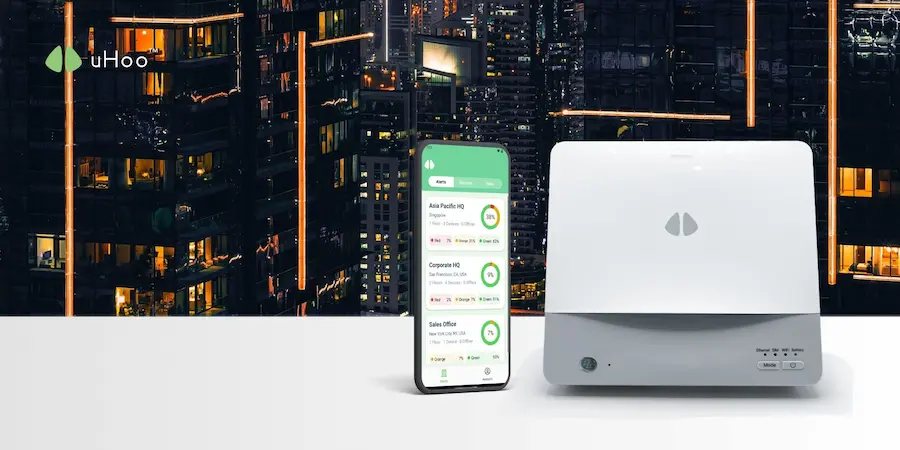
Energy efficiency is a top priority for modern buildings, yet many systems still operate based on fixed assumptions rather than real-time conditions. By leveraging energy savings IAQ strategies, organizations can align air quality management with energy optimization. Traditional HVAC systems waste energy Many HVAC systems run on preset schedules or static configurations. This often results […]
Monitoring Indoor Air During Seasonal Changes

Indoor environments are not static. They evolve throughout the year as outdoor conditions, occupancy patterns, and building operations shift. Understanding seasonal IAQ monitoring is essential for maintaining consistent indoor air quality despite these changes. Seasonal shifts impact indoor conditions Weather changes directly affect indoor environments. For example: Warmer seasons may increase humidity levels Cooler months […]
Using Air Quality Data to Support ESG Goals

As ESG frameworks continue to shape how organizations measure success, the scope of reporting is expanding beyond traditional metrics like energy use and emissions. Today, indoor environmental quality is becoming a critical part of sustainability strategies. Integrating IAQ ESG reporting allows organizations to align operational performance with both environmental responsibility and occupant well-being. IAQ connects […]
Using uHoo to Monitor Air Across Multiple Locations
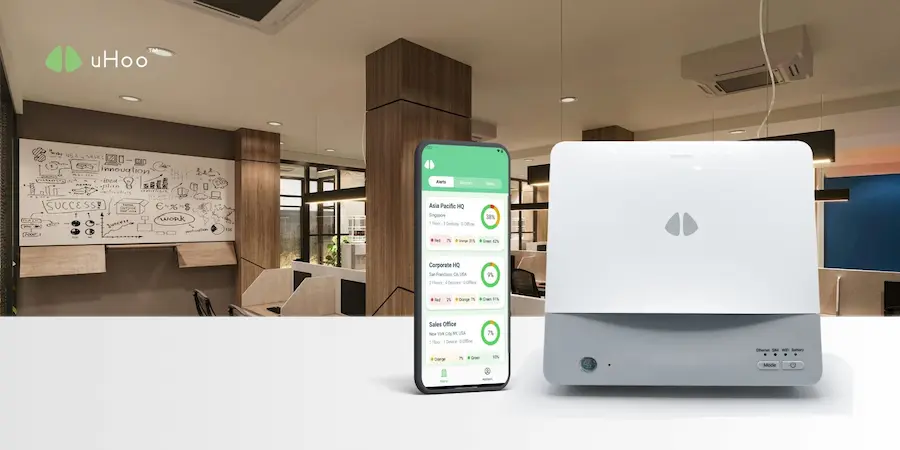
Managing indoor air quality across multiple sites is complex. Different buildings, different occupancy patterns, and different environmental conditions all contribute to inconsistent performance. This is where multi-site air monitoring with uHoo Aura transforms how organizations manage building health. Visibility across locations is critical Without centralized monitoring, organizations struggle to: Compare air quality across sites • […]