
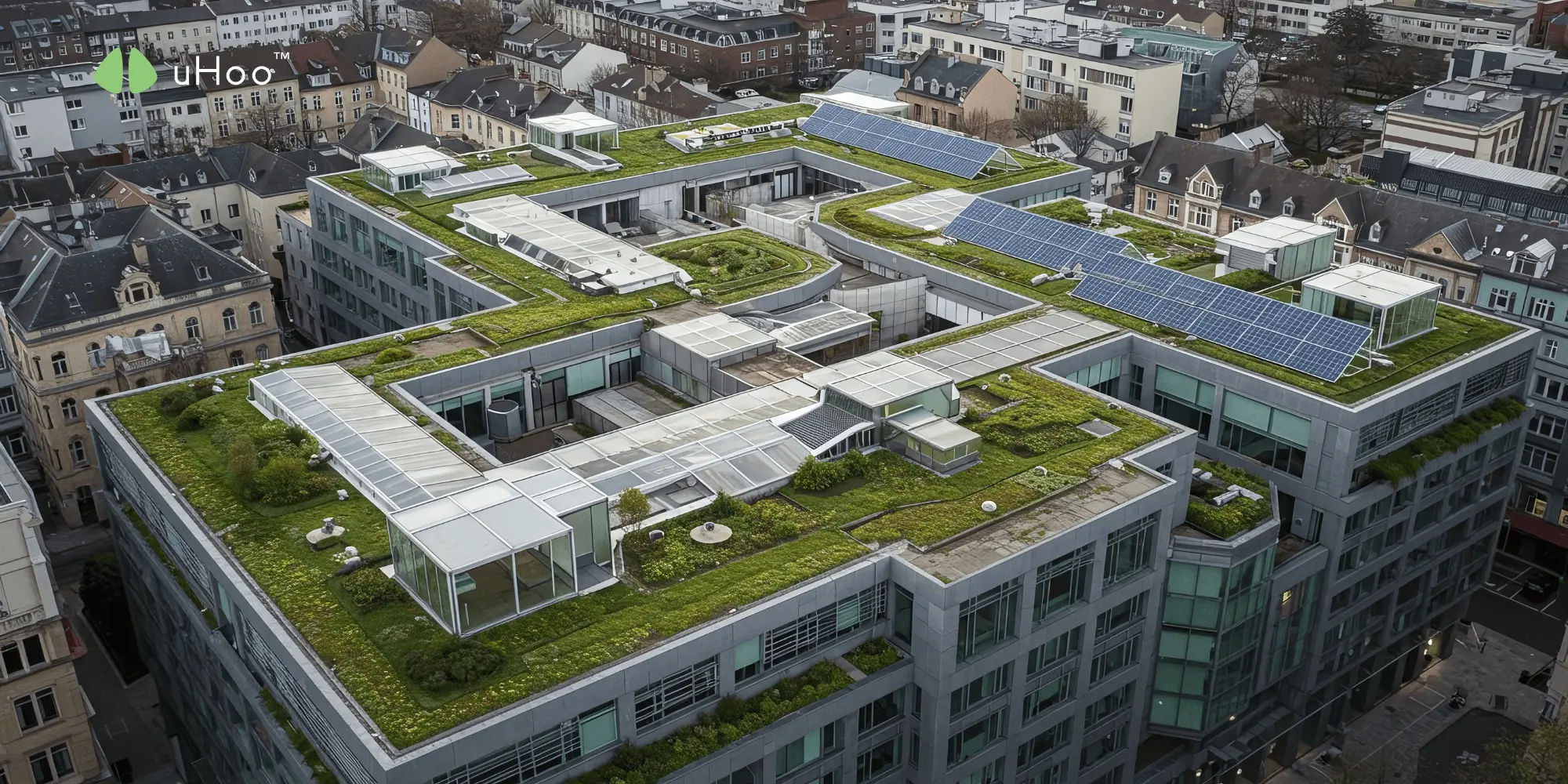
The image of a green building is almost universally understood: a gleaming structure with a living roof, recycled materials, and, most prominently, a large array of solar panels. These features are powerful symbols of our commitment to a sustainable future, and they represent monumental strides in energy efficiency and environmental responsibility. However, the movement is evolving.
The next, and arguably most important, frontier of the green building movement is focused on what’s happening on the inside. It’s an evolution from simply saving the planet to proactively creating environments that nurture human health and well-being.
Early green building efforts, largely driven by certifications like LEED, rightly focused on resource efficiency: energy, water, and material consumption. This was a crucial first step in reducing a building’s environmental impact. As the movement matured, a new realization emerged: a building’s greatest asset is its people.
An energy-efficient building that makes its occupants sick is a failure of modern design. This shift in perspective has given rise to a new generation of standards, such as the WELL Building Standard, which places human health at the core of all design and operational decisions.
This new frontier involves a deep focus on the “invisible” elements of a building: indoor air quality, thermal comfort, natural light, and acoustic performance. While solar panels reduce a building’s carbon footprint, a high-performing ventilation system and the use of healthy, non-toxic materials directly reduce its health footprint.
A building that is highly energy-efficient but contains elevated levels of CO2, harmful VOCs, or particulate matter is not, by today’s standards, a truly green building. To succeed in this new era, building owners need tools that provide a continuous, real-time snapshot of their internal environment.
A device like the uHoo air quality monitor is becoming indispensable. It provides the data to prove that a building is not only saving energy but is also actively promoting health. By monitoring nine different parameters, uHoo can alert a building manager to poor ventilation, which can impact cognitive function, or high humidity, which can lead to mold growth.
This data is no longer a luxury. It is the currency of a modern green building and a powerful tool for attracting premium tenants, boosting employee productivity, and enhancing a building’s overall reputation.